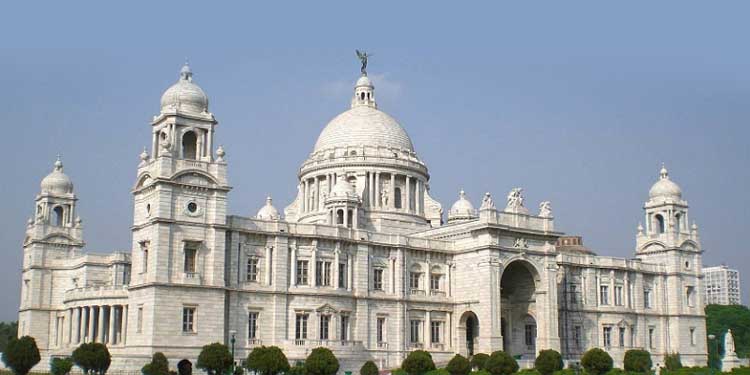
West Bengal, situated in the east of India, stretches from the Himalayas in the north to the Bay of Bengal in the South. A strategically important place, it state shares international boundaries with Bangladesh, Bhutan and Nepal, as well as other states like Sikkim, Assam, Orissa and Bihar. Hooghly and its tributaries - Mayurakshi, Damodar, Kangsabati and the Rupnarayan, enrich the soils of Bengal. The northern districts of Bengal like Darjeeling, Jalpaiguri and Cooch Bihar (in the Himalayas ranges) are watered by the rivers Tista, Torsa, Jaldhaka and Ranjit. From the northern places (feet of Himalayas) to the tropical forests of Sunderbans, West Bengal is a land of incessant beauty. The land of Tagore has many interesting features to offer to the tourists. Leaving aside exquisite poetry and art. Calcutta, a unique city with its mystique beauty enviro ns; Digha, the land of sand and sea; Vishnupur, an architectural treasure trove; Shantiniketan, Tagore's abode of peace; the lost empire of Murshidabad; Malda -Gourand Pandua, relics of the Muslim rule; Darjeeling - a magnificent hill resort; the wildlife sanctuary at Doars and the marshy mangrove jungles of Sunderbans, home to the Royal Bengal Tiger are some of the major attractions of this state.
Calcutta - Kolkata
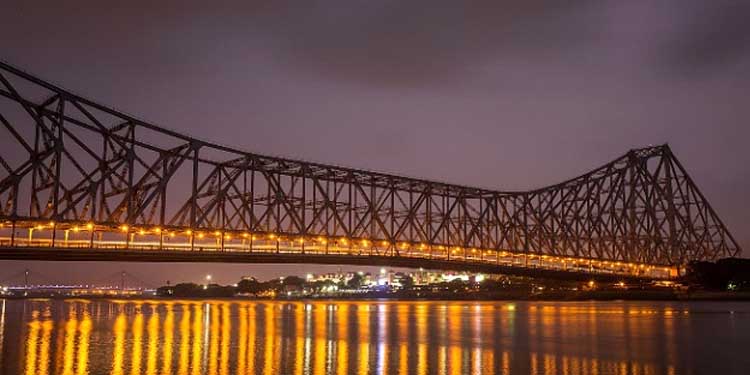
Calcutta-Kolkata is a city that means many things to many people. For some, Calcutta - Kolkata is the city of joy, while for others it is dirty, crowded, and noisy. Once the greatest colonial city in the Orient, Calcutta- Kolkata was later reviled as a cauldron of poverty, dirt, and disease. Today, it ranks among the four major metropolis of India along with Delhi, Mumbai, and Chennai. A mere village in the 17th century, Calcutta- Kolkata is not an ancient city like Delhi. Like Mumbai and Chennai, it originated largely due to the expansionist ambitions of the European powers, especially the British Raj. Little wonder, Calcutta- Kolkata has some of the finest Raj edifices built in a variety of styles.
Bagdogra
Bagdogra… actually the entry point of the North East if one has to reach here by flight. The places like, Cooch Behar, Darjeeling, Kalimpong and Siliguri can be reached by flight to Bagdogra. Hardly 12 kms from Siliguri, the road from Bagdogra to the rest of the towns of North Bengal and North East is the most picturesque road leading to these places.This is a very small place, which has gained importance due to the airport that has been the entry point of the entire region. Taxis and buses can be obtained from the airport at Bagdogra to the desired destination. The choice for lodging and boarding in Bagdogra is very poor. Neither there are any sites of tourist interest in Bagdogra. It is just a transit point for various destinations.
Kalimpong
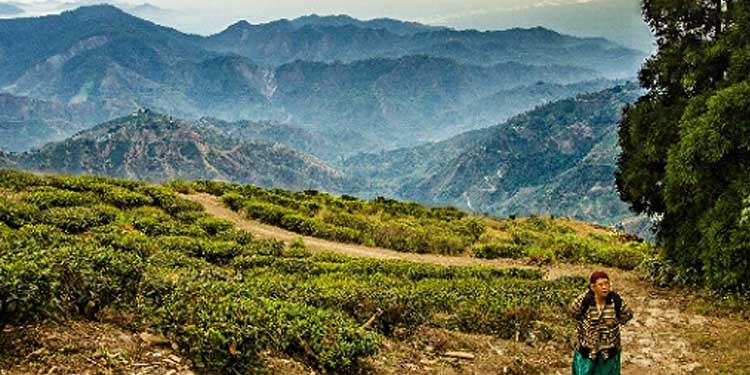
Kalimpong is a bustling and rapidly expanding, though still relatively small, bazaar town set among the rolling foothills and deep valleys of the Himalayan at an altitude of 1250m. It was once part of the lands belonging to the rajas of Sikkim, until the beginning of the 18th century when it was taken from them by the Bhutanese. Kalimpong' s attractions include three monasteries, a couple of solidly built churches, an excellent private library for the study of Tibetan and Himalayan language and culture, a sericulture, orchid nurseries and fine views over the surrounding countryside.
The most interesting part of a trip to Kalimpong is the journey there from Darjeeling via the Teesta River Bridge. If you have no permit for Sikkim then the town is worth visiting just for the journey.
Darjeeling
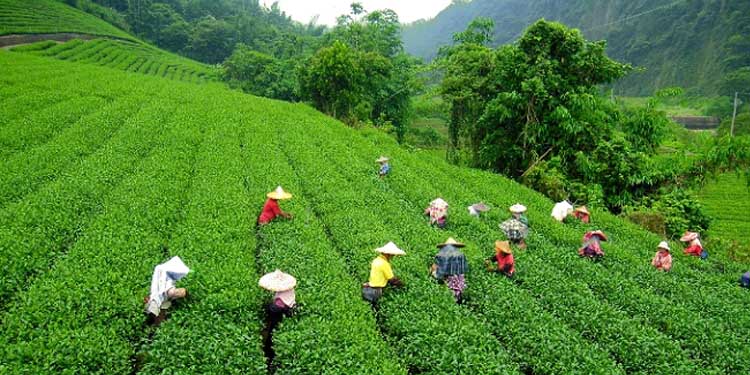
Straddling a ridge at 2134m and surrounded by a tea plantations, Darjeeling has been a popular hill station since the British established it as an R&R Centre for their troops in mid-1800s. People come here now, as they did then, to escape the heat, humidity and hassle of the north Indian plain. You get an indication of how popular Darjeeling is from the 70 or so hotels recognised by the tourist office and the scores of others which don't come up to its requirements. Here you will find yourself surrounded by mountain people from all over the eastern Himalaya who have come to work, to trade or - in the case of the Tibetans - as refugees. Outside of the monsoon season (June to September), the views over the mountains to the snowy peaks of Kanchenjunga and down to the swollen rivers in the valleys are magnificent. Darjeeling is a fascinating place where you can see Buddhist monasteries, visit a tea plantation and see how the tea is processed, go for a ride on the chairlift, spend days hunting for bargains in colorful markets and handicrafts shops, or go trekking to high-altitude spots for closer views of Kanchenjunga .Like many places in the Himalaya, half the fun is in getting there and Darjeeling has the unique attraction of its famous toy train. This miniature train loops and switchbacks its way up the steep mountainsides from New Jalpaiguri to Darjeeling.
Mirik
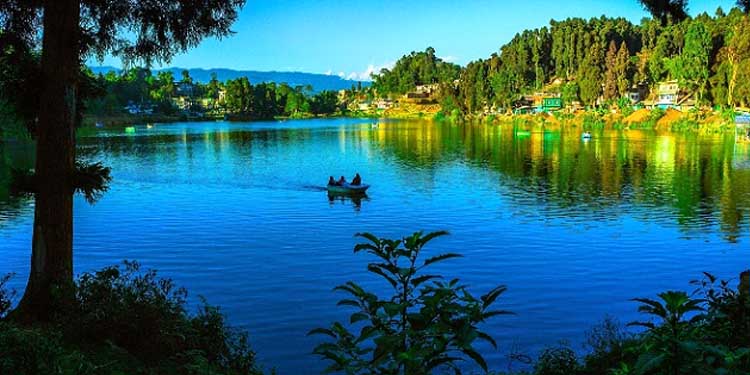
Though becoming increasingly popular, Mirik is still one of the unspoilt hill stations in the country. It is being promoted as a 'new' hill station. Mirik is about 50 km from both Siliguri and Darjeeling. Nestling in forested hills at an altitude of around 1,767 m. the resort has the manmade Sumendu Lake as the focal point. Since it's also the town's sewer it might not be wise to swim here. The surroundings are enhanced by orange orchards, cardamom plantations and tea estates. Superb view of the mighty Kanchenjunga is another attraction. Though heavy woolens are required in winter, tropical or light woolens are enough for summer.
Siliguri
This crowded, sprawling, noisy place is the departure point for visits to Darjeeling, Kalimpong, Sikkim and the North-East states. Siliguri is the major trade centre for the north-east and eastern Nepal; a real boom town, it's packed with trucks and buses and not a pleasant place to stay for a moment more than necessary.
New Jalpaiguri (known as NJP), the main railway junction, is eight km south of Silliguri, though there's effectively no break in the urban sprawl between the two places.