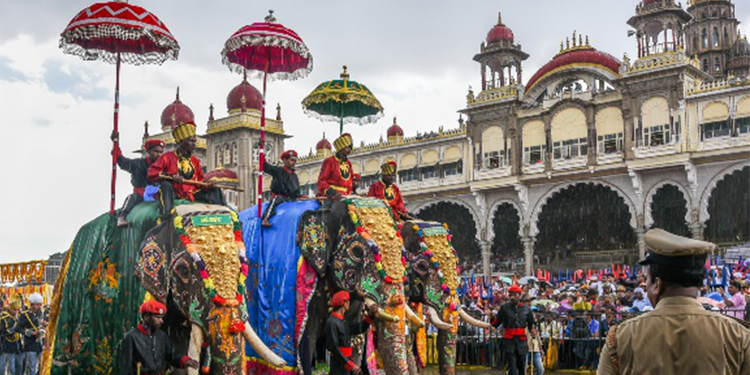
Karnataka... the land of fragrance; fragrance of the spices and the fragrance of sandalwood, both which grow in abundance in Karnataka, has given the state the sobriquet of land of fragrance. Famous for its Vrindavan Gardens, the Shravana Belagola temple, the monuments of Hampi and Halebid, Karnataka is fast shifting form an ancient cultural heritage destination to become the Silicon Valley of India, with Bangalore its capital. The hills full of greenery and gushing waterfalls, the sea beaches with splashing water, the sanctuaries where elephants and tigers roam freely, the scent of spices and coffee at Coorg, the magnificent palaces and gardens built by the kings and the ancient monuments standing mute witness to the royal legacy, all with the essence of Carnatic music is what one finds while traveling to Karnataka. Bordering as many as five states the cuisine of Karnataka has a unique mixed flavour of its neighbouring regions in its culinary delights. The Kunda of Belgaum and the Bishibili Anna are the most palatable flavours of Karnataka.
Bangalore
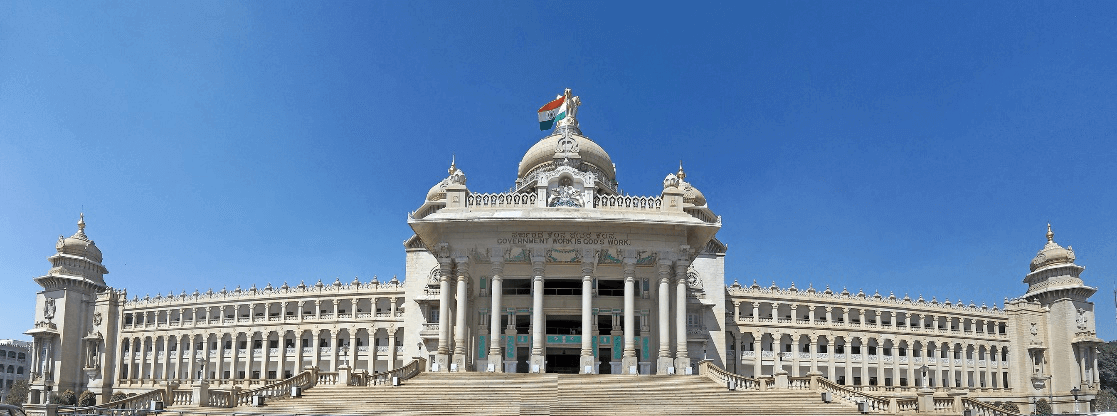
Capital of the Southern state of Karnataka, Bangalore today is Asia's fastest growing cosmopolitan city. It is home to some of the most high tech industries in India. The I.T industry views Bangalore as the 'byte-basket' of India. Bangalore is also home to some of India's premier scientific establishments. Blessed with a salubrious climate, gardens & parks, natural lakes, architectural landmarks, shopping malls, the best restaurants and pubs in this part of the globe, business opportunities, Bangalore is the ideal gateway to India and beyond. Bangalore offers something for everyone-music and dance concerts (Western and Indian), dramas, exhibitions, carnivals, conferences and more.
Bijapur
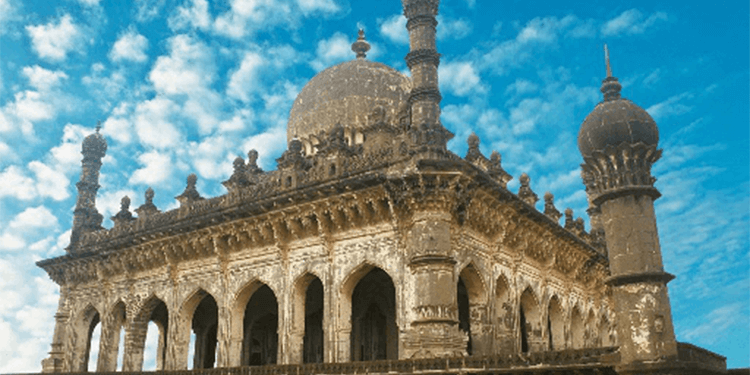
530 kms to the north-west of Bangalore is the ancient town of Bijapur, the capital of the Adil Shahi dynasty. Bijapur is close to Belgaum - the gateway to Karnataka from Goa and Bombay. Bijapur has many places of Historical, Cultural and Architectural interest.
Aihole
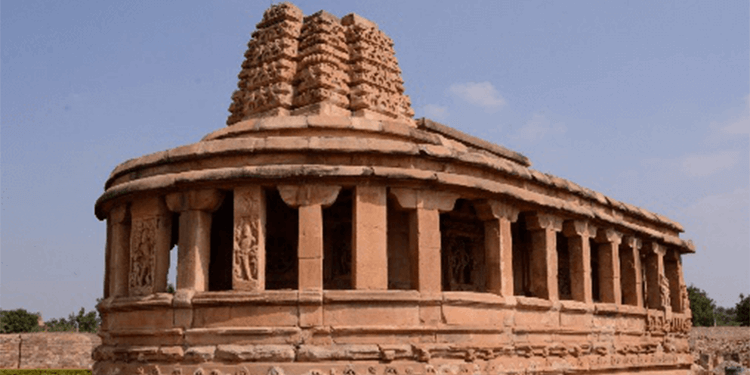
Aihole This Temple city is 110 kms away from Bijapur. It is famous as the 'Cradle of Indian Temple Architecture'. Aihole has over 125 temples all intricately carved and rich in detail. The oldest temple here is perhaps the 5th century Lad Khan Temple. The Durga (Fort) Temple has a semi-circular apse and a complete portico. The Hutchmalli Temple, the Ravalphadi Cave Temple, The Konti Temple Complex, The Uma Maheshwari Temple, The Jain Meguthi Temple and The Two-storeyed Buddhist Temple are the other attractions at Aihole.
Pattadakal
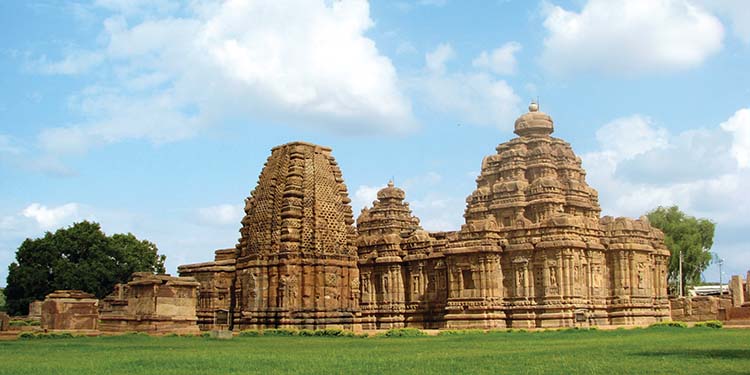
Pattadakal Pattadakal has a distance of 134 kms from Bijapur. A world Heritage Center, it has 10 major temples representing early Chalukyan architecture. The biggest temple dedicated to Virupaksheshvara, has a huge gateway and several inscriptions. In front of the temple is a majestic 2.6 in high Nandi. The Mallikarjuna and Papanatha Temples, and the Jain Temple room the Papanatha Temples and the Jain Temple from the Rashtrakuta period are well worth visit.
Badami
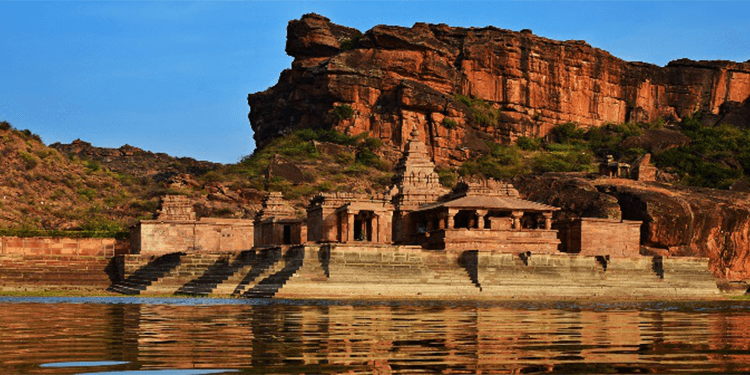
About 120 kms from Bijapur. The capital of the early Chalukyas, Badami is picturesquely situated at the mouth of a ravine between two rocky hills. It has four rocks - cut cave temples, the largest being the third cave dedicated to Vishnu. Overlooking the temples is a reservoir, its banks dotted with temples dedicated to Vishnu and Shiva. The Bhutanatha Temples and the Museum set up by the Archaeological Survey of India are the other attractions.
Hampi
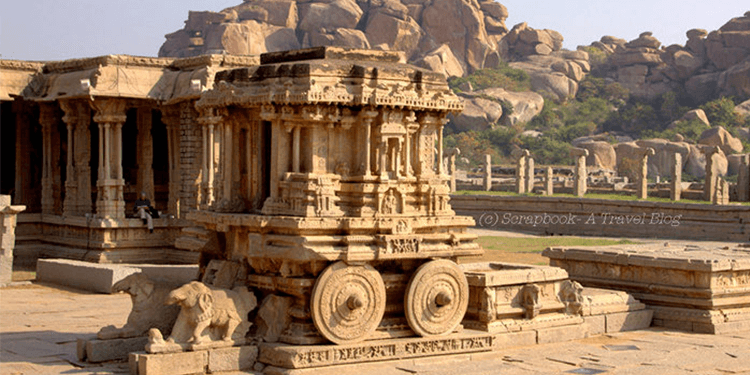
Hampi is a UNESCO World Heritage Site, owing to the ancient temples, forts and other monuments here. Hampi was the capital of the Vijayanagar Empire around 1500 AD, and by some accounts, the second largest city in the world at that time. Over the next centuries it fell out of importance, and now there lie ruins of a lot of temples and other structures spread out over a vast area. Famous for its massive, beautifully carved temples, Hampi tells the stories of its existing structures. Many a visitor climb atop the Matangaparvata and get a glimpse of Hampi and its environs. The way the city was built with temples and bazaars is exemplary in itself. On the North banks of the river Tungabhadra is the first capital of the Vijayanagar Empire, Anegundi, the temples and stories abound, which will help one to get a better understanding of the local heritage.
Chikmaglur
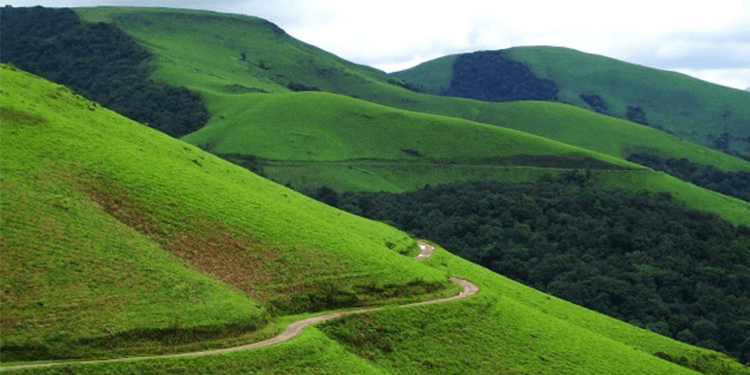
Be Different this holiday. Break Away from the crowd. Venture into the unexplored Western Ghats. Head for Chikmagalur situated in the southwestern part of Karnataka. Carved against a mountainous canvas this beautiful malnad district is full of surprises.... lofty peaks... delightful dales... racing rivers.... sparkling streams.... captivating cascades... and the bracing mountain air - a balm to the work-weary.
Hassan
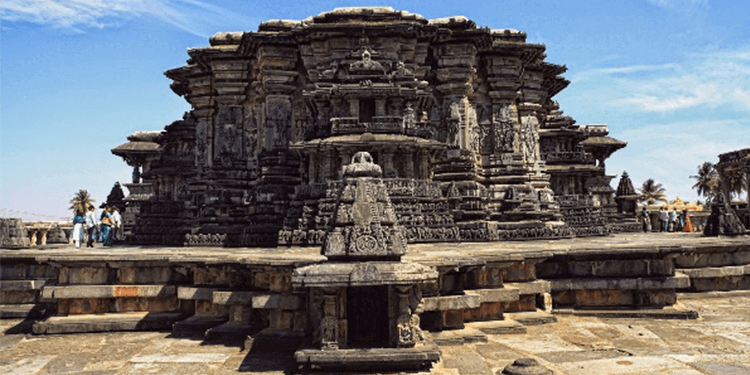
Hassan district is famous for its magnificent Hoysala Temple Complex. The Chennakeshava temple here was completed in 1116 by Hoysala Vishnuvardhana to commemorate his victory over the Chola. It took 103 years to complete. The facade of the temple is filled with intricate sculptures and freizes-with no portion left blank. Elephants, episodes from the epics, sensous dancers nothing was left uncarved. The Veeranarayana temple houses the shrines of Kappe Chenniga, Andal, Saumya Nayaki, and other deities.
Coorg (Madikari)
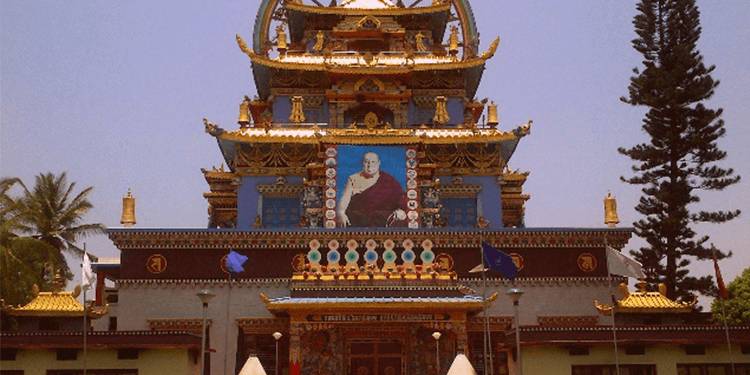
Madikeri is a picturesque, charming town situated at an elevation of over 5,000 ft (1,525 m) above sea level. The cool bracing wind whips the hair about your face as you ramble along streets that dip and rise delightfully. Madikeri is the headquarters of Kodagu (formerly Coorg). Dubbed as the Scotland of India, Kodagu is home to the colorful, robust, martial race - the Kodavas. Said to be the descendents of the Greeks, the Kodavas are fiercely independent. They were never conquered by either Tipu Sultan or the British. And so to this day, all Kodavas retain the privilege of carrying firearms without a license. Kodagu is famous for the generals it has produced for the Indian Army. The women are known for their beauty. But what the Kodavas are really famous for is their hospitality. Madikeri is a great place to walk as winding lanes meander off the main street. Mountain trails promise visual delights. And the Tadiyendamol, the tallest peak in the area, stands patiently, waiting to be climbed.
Shimoga
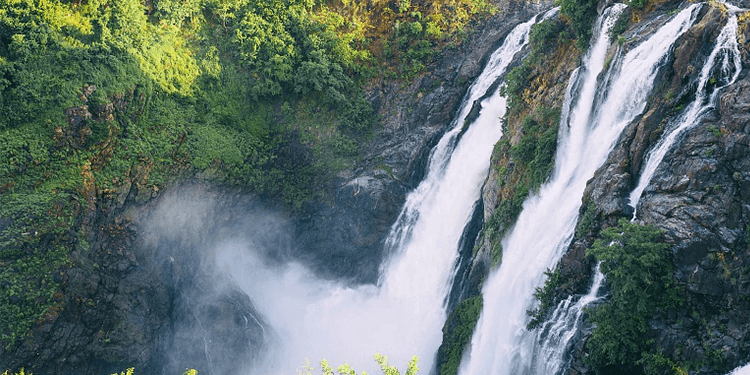
Is a true picture of nature's bounty-landscapes dotted with waterfalls, swaying palms and lush paddy fields make for picturesque Shimoga, almost central on the Karnataka map is the rice bowl of the State. The rivers Tungabhadra, Sharavathi, Varada and Kumudavathi inundate the luxuriant greens of the region.Shimoga were ruled by the great Indian dynasties of the Kadambas, Gangas, Chalukyas, Rastrakutas, Keladi and Vijaynagar Kings. Shimoga (Face of Shiva) was established by the Keladi rulers. It reached its pinnacle during the rule of Shivappa Nayaka around 1600 A.D. The Sahyadri ranges, part of the Western Ghats, feed the rivers round the year, and inundate the fertile alluvial soil, this nature's blessing makes it the bread basket of Karnataka. The enchanting natural scenery of hills, hillocks and green dales, rivers and streams, dense forests, flora & fauna, forts, temples and historical places, sandalwood and spices, add to this mouth-watering cuisine and touching hospitality and you know you've got - HEAVEN ON EARTH.
Mysore
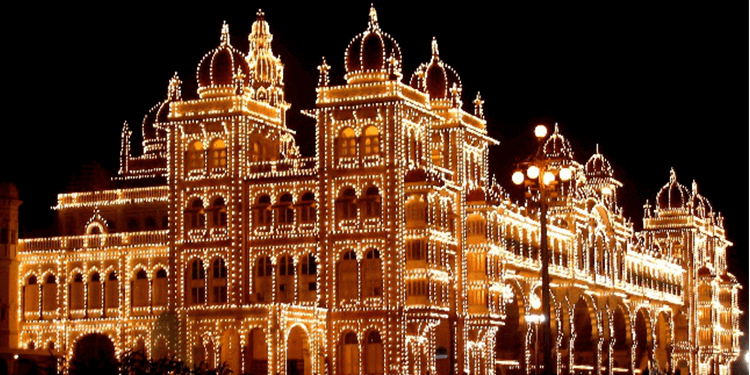
Mysore, the imperial city, was the erstwhile capital of the Wodeyars. Also known as the city of Palaces, Mysore has never failed to mesmerize the tourists with its quaint charm, rich heritage, magnificent palaces, beautifully laid-out gardens, imposing buildings, broad shady avenues and sacred temples. Mysore is the erstwhile capital of Wodeyars, the rulers of Mysore State. The Wodeyar family ruled Mysore since 14th century except for a short period of 40 years when Hyder Ali and Tipu Sultan were the rulers. Mysore has emerged as a thriving market for exotic sandalwood & incense, the Mysore silk sarees and stone-carved sculptures. Mysore is certainly a charming, old-fashioned and undoubting town outskirts of Mysore, Srirangapatnam still harbours architectural gems from the days of the great Indian hero, Tipu Sultan, and the magnificent Hoysala temple of Somnathpur lies little more than an hour's drive away.
Udupi
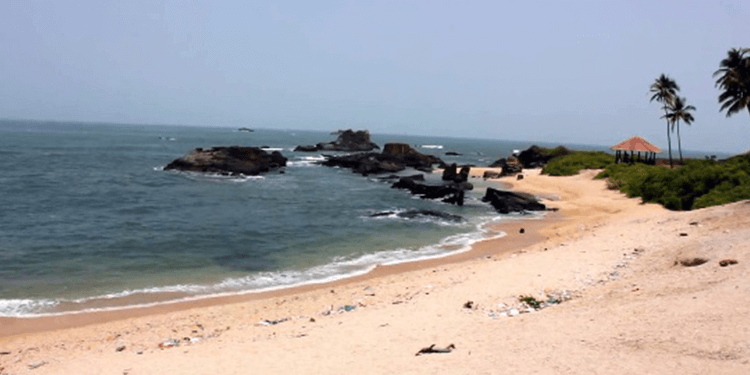
Approximately 60 kms. From Mangalore is the Vaishnavite pilgrimage town of Udupi. This was the sanctum of Madhavacharya, the great Sanskrit philosopher. It is as much renowned for its chefs, cuisine and restaurants as it is for its Krishna Temple and various mutts. The main attraction at this temple is the ‘Kanakana Kindi’ - a small window through which Krishna is believed to have given darshan to his ardent devotee, Kanakadasa, a saint-minstrel. The colourful Paryaya festival, when officiating priests hand over their responsibilities to other pontiffs beckons thousands of devotees from all over the country every alternate year.
Karwar
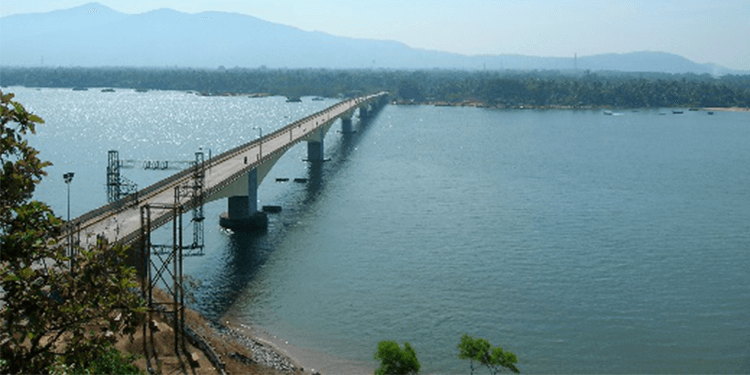
Karwar makes a good starting point, for the voyage of discovering the thrills of the sea, sand and sun. Karwar's idyllic beauty inspired the great Indian poet Rabindranath Tagore, to pen down his first play. Other attractions of Karwar include the Sadashivgad Hill fort with a Durga temple, the unique Octagonal Church, and the 300 year old Venkataramana Temple, that houses some fine ochre paintings. For wildlife lovers, the Dandeli Game Park is just 157 km away.
Dandeli
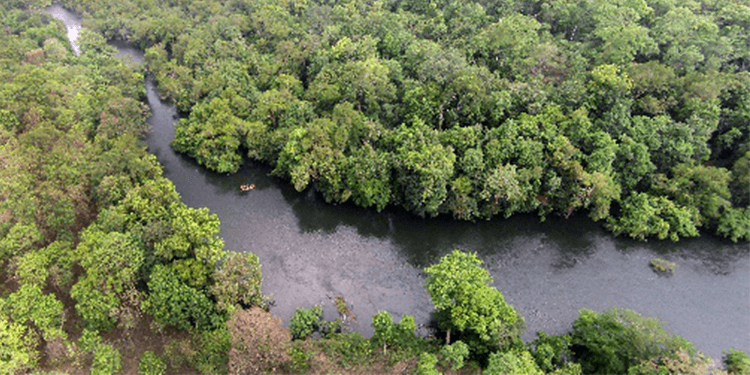
Dandeli Wildlife Sanctuary Undulating streams, whispering bamboo, diverse wildlife, and innumerable trekking trails make Dandeli a dream destination. River Kali and its tributaries, Kaneri and Nagajhari, meander through the moist deciduous and semi-evergreen forests. The Dandeli forests also play host to the graceful Virnoli Rapids, the magnificent Supa Dam, the sinister Syntheri Rocks, Nagajhari Viewpoint, the Kulgi Nature Education Camp, the Kavla Caves with their Shivling-like stalagmites, and Sykes Point which offers a stunning view of the Kalinadi Valley.
Kabini
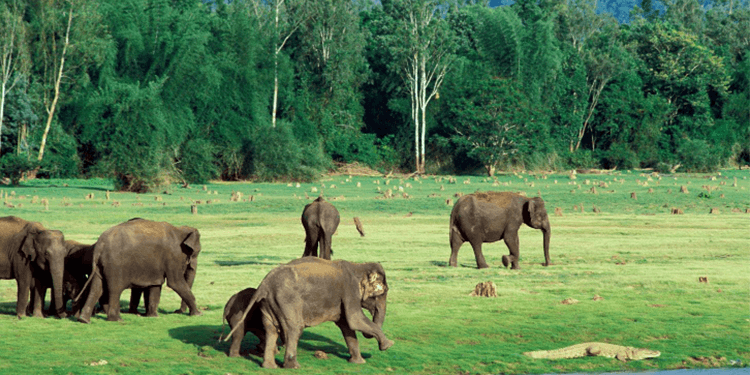
Nestled amidst the Karapur Forest lies a pristine piece of land that abounds with nature. Beckoning you to explore it for a wild and exciting holiday. Kabini, a scenic delight was once the hunting lodge of the erstwhile Mysore Maharajahs. The steep valleys with rich forests, spectacular pools and rapids provide an ideal opportunity to revive your adventurous spirits. A view from the Kabini River Lodge proves to be absolutely breathtaking. Patches of bright blue pools hidden between the trees, the sun peeping through the thick forest and animals roaming free. Breathe in the refreshing air, whistle With the wind and carry home timeless memories. Elephants playing catch, Leopards on the prowl, Antelopes jumping across the bushes, or maybe even a tigress with her cubs. These are indeed pictures that you'll treasure for a lifetime. And no one can offer it better than Kabini.
Malabar Special – 5 Nights/6 Days
Day 01: Bangalore / Mangalore – Coorg (4/6 Hrs)
On arrival take an immediate transfer to Coorg. Arrival & check in at Hotel. Kodagu, also called Coorg, is a district in Karnataka. Coorg is known for its hospitability of people and beautiful scenery. Tourists get fascinated by colorful scenery, wooded slopes, undulating landscape and quaint villages of Coorg.
Day 02: Coorg
After Breakfast Enjoy some of the Optional Activities. Coorg is an ideal place for outdoor activities, food and shopping. Trekking: Coorg has many verdant trekking routes in the midst of forests and hills. Golf: Avid golfers can tee off at the 9-hole course of Virajpet.
Day 03: Coorg
After Breakfast move to visit the sightseeing around Medikeri including Abbey Falls – Abbey Falls, 8 km from Madikeri. Omkareshwar Temple– Located at the heart of the Town, was built by king Lingarajendra in 1820. The temple has both Islamic and Gothic styles of architecture. Raja’s Seat–This is a small square in brick and mortar of four pillars bridged by arches, enhanced by beautiful surroundings. Medikeri Fort–This fort was first built by Mudduraja in the last quarter of the 17th century. Lord Ganesha temple known as “Kote ganapathi” just at the main entrance of the fort.
Day 04: Coorg – Kabini (3-4rs Drive)
After Breakfast proceed to Kabini. En-route visit Dubare Elephant Camp –This is mainly an elephant capturing and training camp of the Forest Department, at the edge of Dubare forest, on the bank of river Kaveri. Bylakuppe – Bylakuppe 0 in Kodagu ( Coorg ) of Karnataka is one of the many Tibetan settlements in India. To be precise, this was the first such refugee settlement established way back in.
Arrival at Kabini & check in to Hotel. Kabini the most famous wildlife destination located at Karnataka.
Kabini is actually a river flowing through 3 national parks viz, Bandipur, Nagorhole and Madhumati.
Day 05: Kabini Local Sightseeing
After breakfast, Visit Rajiv Gandhi National Park,The nature in Kabini has blessed with all its wealth and offerings. Behind the background music of flowing river water you can take a jeep safari to experience thrilling suspense in seeing wild animals around you at any moment. Optional Activities at Kabini: Jeep or Boat Safari into Nagarhole Sanctuary, boating, coracle ride, elephant ride, tribal village visit, trekking and fishing. Evening free for relaxation.
Day 06: Kabini – Bangalore (6hrs Drive)
Morning check out & depart to Bangalore to board your train/flight to further destination.
Coastal Karnataka 08 Night/09 Days
Day 1:
Pick up from Hubli airport/Railway Station later proceed Gokarna, check in to the Hotel. Visit Kashi of the South Gokarna Mahabaleshwar Temple, Parvathi Temple, Om Beach. Night halt at Gokarna.
Day 2:
Morning check out and visit Yana the lush evergreen forests of the Western Ghats. The Bhairaveshwara Shikhara and the Mohini Shikhara or peaks are the main attraction of Yana. Sahasralinga a thousand Shiva lingas have been carved on the rocks present on the river bank. Sirsi Marikamba Temple. Night halt at Yellapura.
Day 3:
Morning check out and visit Idagunji Vinayaka Temple, Murudeshwar Shiva Temple and Beach. Over night at Murudeshwar.
Day 4:
Morning check out and visit Kollur Mookambika Temple, Kumbhashi Vinayaka Temple, Saligrama Sri Gurunarasimha Temple. Night halt at Udupi.
Day 5:
Visit Shri Madhwacharya founded Udupi Shri Krishna Temple, Anantheshwar Temple and Malpe St Mary’s Island. Post lunch visit Ambalpady Mahakali & Janardhana Temple, Pajaka Kshetra Madhwacharya Birthplace, Kunjarugiri Durgadevi Temple, Kadiyali Mahishamardini Temple, Sunset at Manipal End Point, Venugopal Swamy Temple. Night halt at Udupi.
Day 6:
Morning shopping, check out and proceed to Perduru Ananthapadmanabha Temple, Someshwara Vinayaka Temple, Agumbe sceneries at Western Hill, Sri Shankaracharya founded Sringeri Sharada Peeta. Night halt at Sringeri.
Day 7:
Morning check out and visit Horanadu Adi Satyatmaka Annapurneshwari Temple, Panoramic Nature view of Kudremukh, Kalasa Temple, Sriram Temple, Dharmasthala Manjunatha Temple and Bahubali Statue Over night at Kukkesubramanya.
Day 8:
Morning check out and visit Southadka Vinayaka Temple, Adi & Kukke Subramanya Temple.Over night at Mangalore.
Day 9:
Visit Mangalore Kadri Manjunatheshwara Temple, Kudroli Gokarnatheshawar Temple, Mangaladevi Temple, drop at Mangalore Railway Station/Airport.
HAMPI SURROUNDING (HAMPI, BADAMI, PATTADAKAL, AIHOLE)
DAY 1 in HAMPI:
Spend your first day exploring the ruins, temples and monuments in Hampi. We recommend the Vittala Temple, Lotus Mahal, Lord Virupaksha temple, Mahanavami Dibba, the underground Shiva Temple, Krishna Temple, the Stepped Well and the Hazara Rama Temple. Read more about each of them here. If you can’t visit all of them, fear not – you’ll be running past many of them on Sunday!
DAY 2 in HAMPI:
Wake up at dawn and walk, run or jog run across the ruins of Hampi – see these routes here. Spend the evening at Sunset Point, Matanga Hill watching the sun set over the Tungabhadra River.
DAY 3 in BADAMI, PATTADAKAL and AIHOLE:
Take a cab or bus to Badami, a 6th Century town in North Karnataka famous for its rock-cut cave temples. Read more here. From Badami, head to The Group of Temples at Pattadakal, a UNESCO World Heritage Site inscribed in 1987, located an hour away from Badami. From Pattadakal, head to Aihole, located a short way away and again, the site of temples dating back to the 5th Century. Together, Pattadakal, Aihole and Badami demonstrate the evolution of temple architecture in India. Public transport between Badami and Pattadakal exists though Pattadakal and Aihole are not well-connected. We recommend booking a cab in Hospet/Hampi and then visiting Badami, Pattadakal and Aihole. Plan to spend at least 2 hours each in Badami, Pattadakal and Aihole so plan to set out really early in the morning from Hospet or Hampi.
DAY 4 in HAMPI:
Take it easy on your final day in Hampi. Visit the shopping bazaar in Hampi to explore local arts and crafts or, for the more adventurously inclined, indulge in some bouldering!