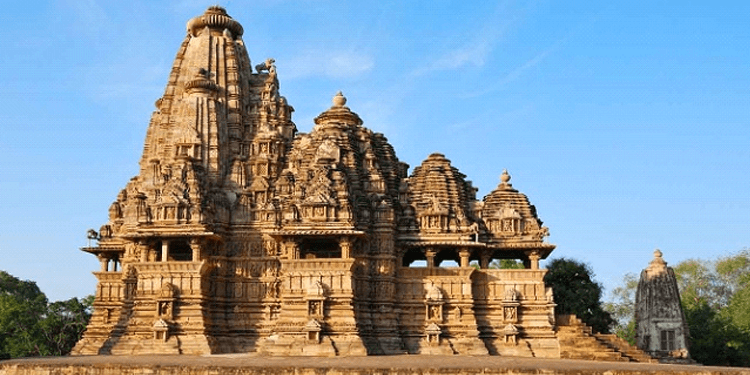
Can the land of Khajuraho be any less exotic than the famous temples? Madhya Pradesh is not called the "Heart of India" only because of its location in the center of the country. It has been home to the cultural heritage of Hinduism, Buddhism, Jainism and Islam. Innumerable monuments, exquisitely carved temples, stupas, forts and palaces are dotted all over the State. The natural beauty of Madhya Pradesh is equally varied. Consisting largely of a plateau, the State has everything. Spectacular mountain ranges, meandering rivers and miles and miles of forests offering a unique and exciting panorama of wildlife in sylvan surroundings.
Amarkantak
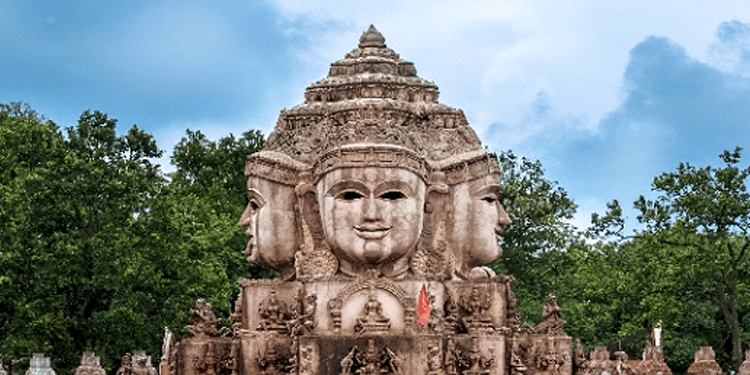
Situated at an altitude of 1065 mt. at the meeting point of the Vindhya and the Satpura mountain ranges amongst sylvan surroundings, Amarkantak is a great pilgrim centre for the Hindus, and is the source of the rivers Narmada and Sone. While the Narmada flows westwards from Amarkantak, the Sone flows towards the East. Amarkantak is indeed blessed by Nature. Holy ponds, lofty hills, forested surroundings, breathtakingly beautiful waterfalls and an ever-pervading air of serenity make Amarkantak a much sought-after destination for the religious-minded as well as for the nature-lover.
Bhopal
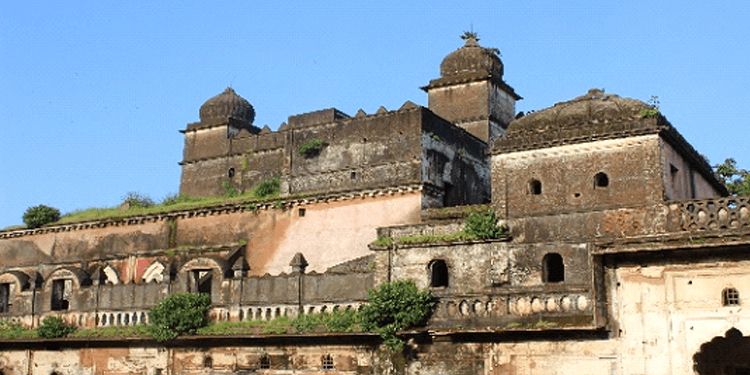
Bhopal, capital of Madhya Pradesh combines scenic beauty, historicity and modern urban planning. It is situated on the site of an 11th century city, Bhojapal, founded by Raja Bhoja. Bhopal today presents a multi-faceted profile; the old city with its teeming market places and fine old mosques and palaces still bear the aristocratic imprint of its former rulers; among them the succession of powerful Begums who ruled Bhopal from 1819 to 1926. Equally impressive is the new city with its verdant, exquisitely laid out parks and gardens, broad avenues and streamlined modern edifices.
Chitrakoot
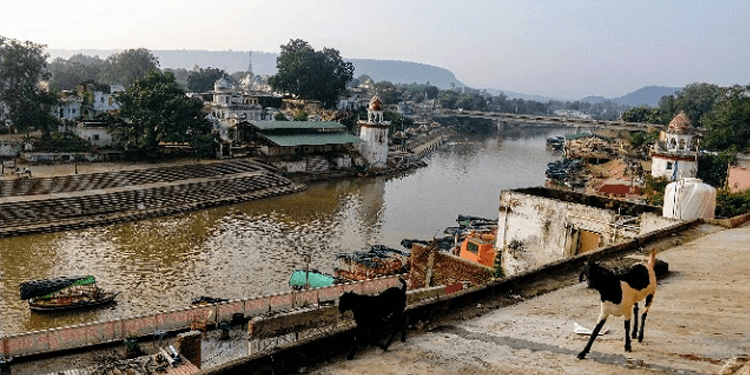
Chitrakoot, 'the hill of many wonders', nestles peacefully in the northern spurs of the Vindhyas, a place of tranquil forest glades and quiet rivers, and streams where calm and repose are all pervading. This loveliest of Nature's gifts is also hallowed ground, blessed by the gods and sanctified by the faith of pilgrims. For Chitrakoot's spiritual legacy stretches back to legendary ages: it was in these deep forests that Rama and Sita spent eleven of their fourteen years of exile; here that the great sage Atri and Sati Anusuya meditated; and here where the principal trinity of the Hindu pantheon, Brahma, Vishnu and Mahesh, took their incarnations.
Gwalior
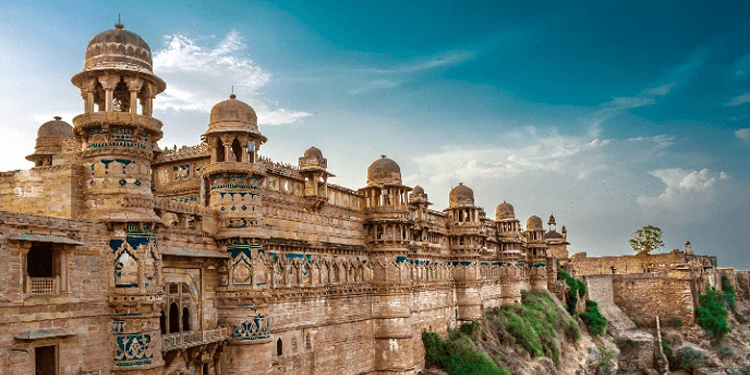
Steeped in the splendor of its past, the ancient capital of Gwalior has yet made a successful transition into a modern Indian city, vibrant and bustling. A multitude of reigning dynasties, of the great Rajput clans of the Pratiharas, Kacchwahas and Tomars have left indelible etchings of their rule in this city of palaces, temples and monuments. Gwalior's tradition as a royal capital continued until the formation of present day India, with the Scindias having their dynastic seat here. The magnificent mementoes of a glorious past have been preserved with care, giving Gwalior an appeal unique and timeless. This, then, is Gwalior: where a rich cultural tradition has been interwoven into the fabric of modern life. Where a princely past lives on in great palaces and their museums. Where a multitude of images merge and mix to present to the visitor a city of enduring greatness.
Indore
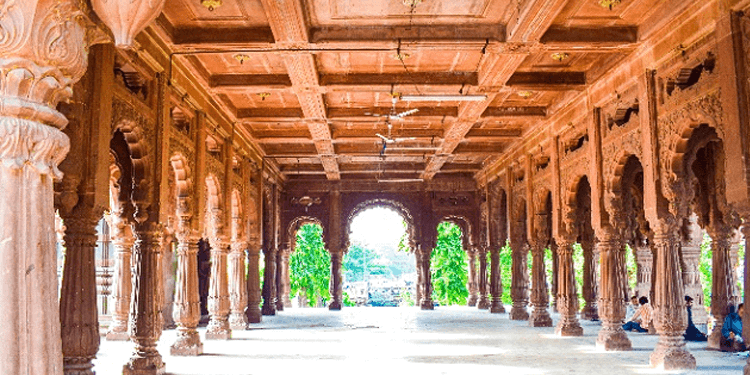
Planned and built by Rani Ahilyabai, the brave Holkar queen, Indore lies to the extreme west of Madhya Pradesh on the banks of the rivers Saraswati and Khan which unite at the centre of the city. The bustling and vibrant city, 186 km from Bhopal, derives its name from the 18th century Indreshwar temple.
Jabalpur
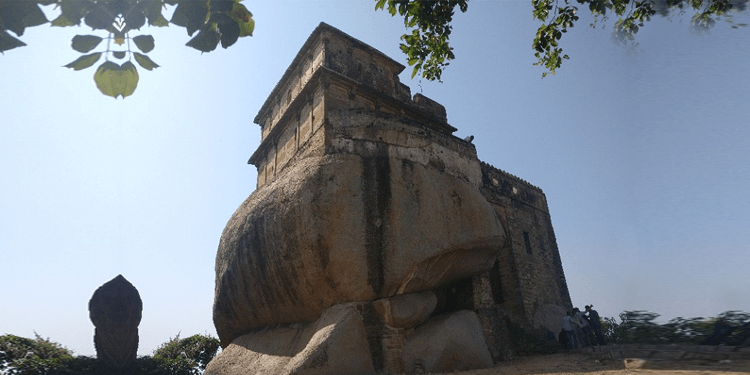
Pleasure resort and capital of the Gond Kings during the 12th century, Jabalpur was later the seat of the Kalchuri dynasty. The Marathas held sway over Jabalpur until 1817, when the British wrested it from them and left their impression on the spacious cantonment with its colonial residences and barracks. Today Jabalpur is an important administrative centre, abustle with commercial activity.
Bhedaghat
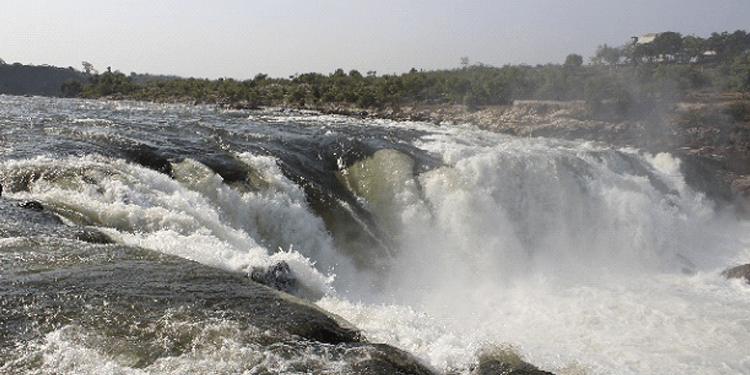
Soaring in glittering splendour, the Marble Rocks at Bhedaghat rise to a hundred feet on either side of the Narmada. The serene loveliness of the scene is one of cool quiet, the sunlight sparkling on the marble-white pinnacles and casting dappled shadows on the pellucid waters. These white rocks with views of black and dark green volcanic seams are truly majestic, and produce a magical effect on moonlit nights. The holy river flows by tranquilly flanked by the towering cliffs which reflect in it like a mirror the changing moods of nature. A little distance away, it becomes turbulent as it plunges in a mighty water fall known as Dhuandhar
Kanha
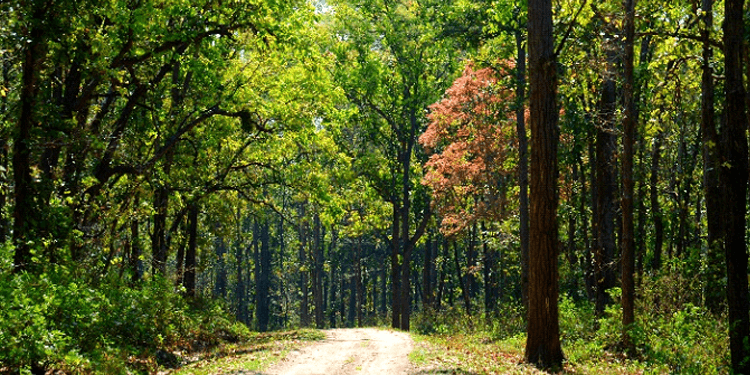
Kanha's sal and bamboo forests, rolling grasslands and meandering streams stretch over 940 sq km in dramatic natural splendor which form the core of the Kanha Tiger Reserve created in 1974 under Project Tiger. The park is the only habitat of the rare hardground Barasingha (Cervus Duvaceli Branderi).This is original Kipling country of which he wrote so vividly in his Jungle Book. The same abundance of wild life species exists today in Kanha National Park, as it must have when Kipling roamed these parts.
Khajuraho
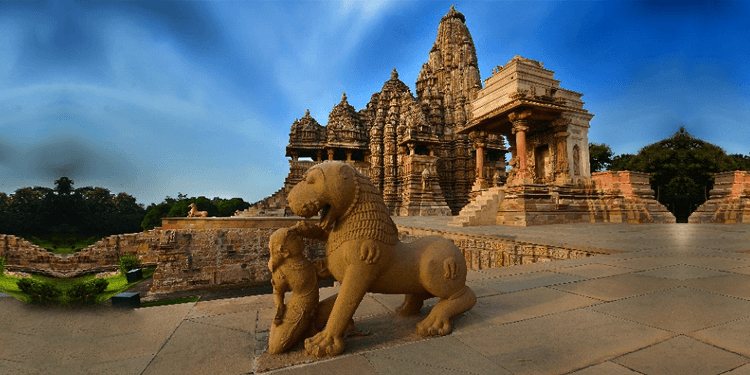
In the temple architecture of India, the Khajuraho complex remains unique. One thousand years ago, under the generous and artistic patronage of the Chandela Rajput kings of Central India, 85 temples, magnificent in form and richly carved, came up on one site, near the village of Khajuraho. The amazingly short span of 100 years, from 950 AD - 1050 AD, saw the completion of all the temples, in an inspired burst of creativity. Today, of the original 85, only 22 have survived the ravages of time; these remain as a collective paean to life, to joy and to creativity; to the ultimate fusion of man with his creator.
Mandu
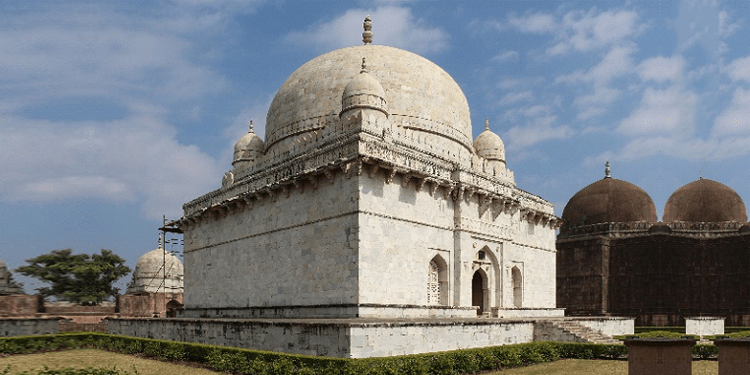
Perched along the Vindhya ranges at an altitude of 2,000 feet, Mandu, with its natural defenses, was originally the fort capital of the Parmar rulers of Malwa. Towards the end of the 13th century, it came under the sway of the Sultans of Malwa, the first of whom named it Shadiabad - 'city of joy'. And indeed the pervading spirit of Mandu was of gaiety; and its rulers built exquisite palaces like the Jahaz and Hindola Mahals, ornamental canals, baths and pavilions, as graceful and refined as those times of peace and plenty.Each of Mandu's structures is an architectural gem; some are outstanding like the massive Jami Masjid and Hoshang Shah's tomb, which provided inspiration to the master builders of the Taj Mahal centuries later.
Omkareshwar
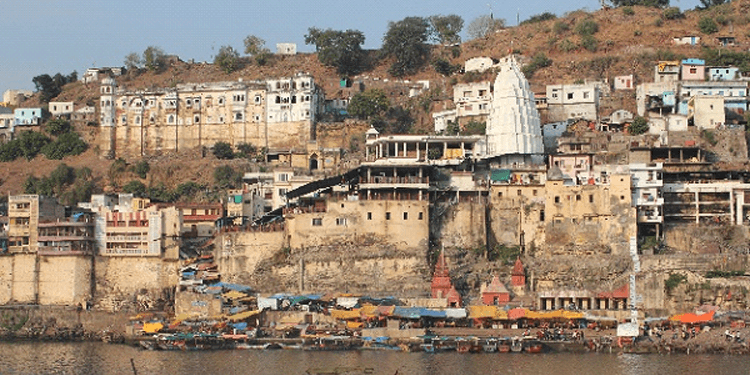
Omkareshwar, the sacred island, shaped like the holiest of all Hindu symbols, 'Om', has drawn to it hundreds of generations of pilgrims. Here, at the confluence of the rivers Narmada and Kaveri, the devout gather to kneel before the Jyotirlinga (one of the twelve throughout India) at the temple of Shri Omkar Mandhata. And here, as in so many of Madhya Pradesh's sacred shrines, the works of Nature complement those of man to provide a setting awe-inspiring in its magnificence.
Orchha
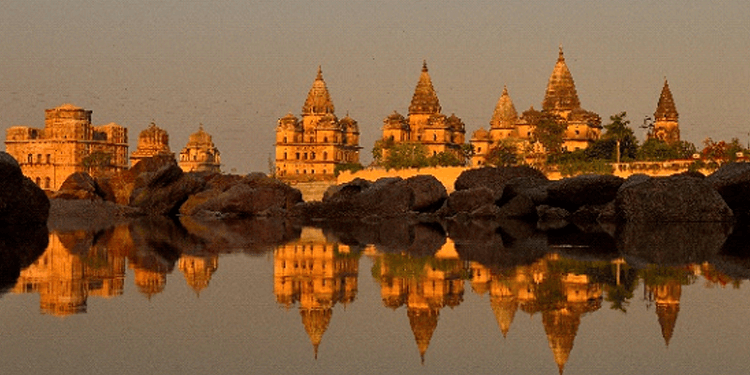
Orchha's grandeur has been captured in stone, frozen in time, a rich legacy to the ages. In this medieval city, the hand of time has rested lightly and the palaces and temples built by its Bundela rulers in the 16th and 17th centuries retain much of their pristine perfection.Orchha was founded in the 16th century by the Bundela Rajput chieftain, Rudra Pratap, who chose this stretch of land along the Betwa River as an ideal site for his capital. Of the succeeding rulers, the most notable was Raja Bir Singh Ju Deo who built the exquisite Jehangir Mahal, a tiered palace crowned by graceful chhatris. From here the view of soaring temple spires and cenotaphs is spectacular.
Pachmarhi
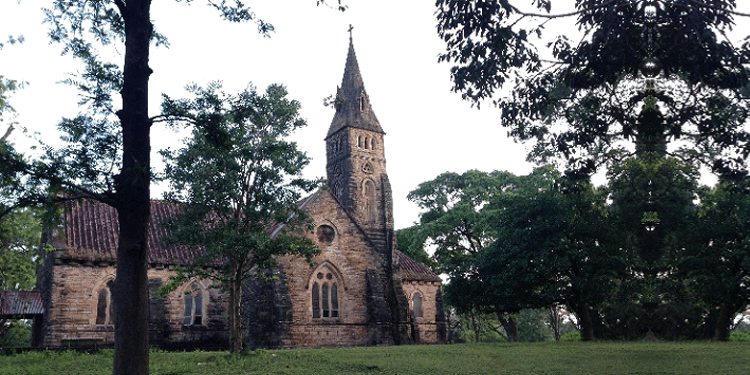
Pachmarhi is Madhya Pradesh's most verdant jewel, a place where nature has found exquisite expression in myriad enchanting ways. Green shades embrace the mountains and everywhere is heard the gentle murmur of flowing water. Bridle paths lead into tranquil forest glades, groves of wild bamboo and jamun, dense sal forests and delicate bamboo thickets.Complementing the magnificence of nature are the works of man; Pachmarhi is also an archaeological treasure-house. In cave shelters in the Mahadeo Hills is an astonishing richness in rock paintings. Most of these have been placed in the period 500-800 AD, but the earliest paintings are an estimated 10,000 years old.
Shivpuri
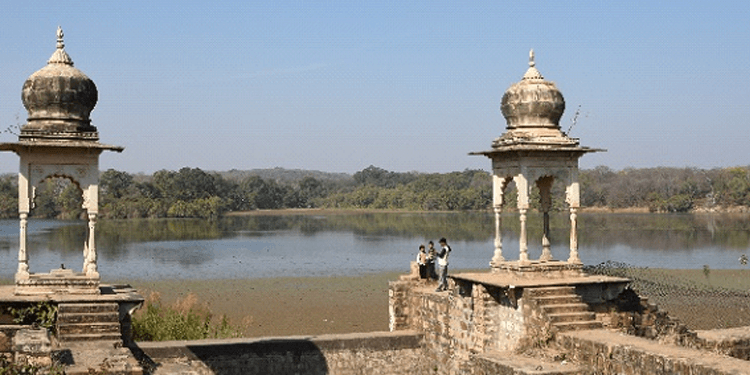
Just 110kms form the city of Gwalior is Shivpuri, the royal summer retreat of the past. Its dense forests and luxuriant hills made it a perfect summer capital and the vegetation full of variety of spec ies of fauna made it a perfect hunting ground as well. Today Shivpuri has been transformed into a protected forest area and a sanctuary for rare wild life. The pink summer palace built by the Scindia called as the Madhav Vilas Palace is an excellent example of the colonial impression on architecture in the late 19th century. This beautiful palace offers a spectacular view of its surrounding forests and nature. The Madhav National Park is a terrain of wooded hills and dry forests, mixed and deciduous with flat grasslands around the lake. This gives an ample opportunity to sight the wild life such as the various species of Deer, Sloth bear, Nilgai and sometimes also the Leopard.
Sanchi

Sanchi is known for its Stupas, monasteries, temples and pillars dating from the 3rd century B.C. to the 12th century A.D. The most famous of these monuments, the Sanchi Stupa 1, was originally built by the Mauryan Emperor Ashoka, the then governor of Ujjayini, whose wife Devi was the daughter of a merchant from adjacent Vidisha. Their son Mahindra and daughter Sanghamitra were born in Ujjayini and sent to Sri Lanka, where they converted the King, the Queen and their people to Buddhism.
Uijain
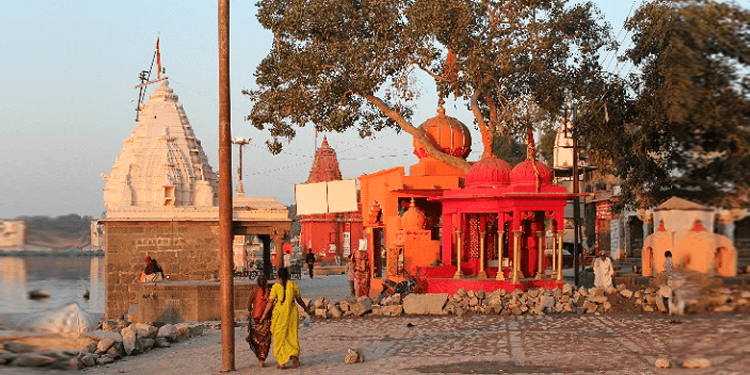
Modern Ujjain is situated on the banks of the river Shipra, regarded since times immemorial as sacred. The belief in the sacredness of Shipra, has its origins in the ancient Hindu mythological tale of churning of the Ocean by the Gods and the Demons, with Vasuki, the serpent as the rope. The ocean bed first yielded fourteen gems, then Lakshmi, the Goddess of wealth, and finally the coveted vessel of Nectar. Then began the wild scramble for immortality with the demons chasing the Gods across the skies, and in the process, a few drops were spilt, and fell at Hardwar, Nasik, Prayag, and Ujjayini. Hence the sanctity of the waters of the Shipra.
Bandhavgarh
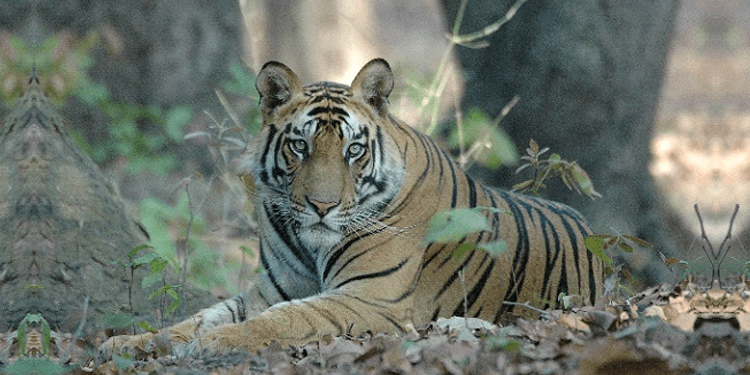
This is a small National Park; compact, yet full of game. The density of the Tiger population at Bandhavgarh is the highest known in India.This is also White Tiger country. These have been found in the old state of Rewa for many years. The last known was captured by Maharajah Martand Singh in 1951. This White Tiger, Mohun, is now stuffed and on display in the palace of the Maharajahs of Rewa.
Madhya Pradesh Hills & Jungles – 6 Nights/7 Days
Pipariya/**Bhopal – Pachmarhi – Jabalpur – Kanha / Bandhavgarh – Jabalpur
DAY 01:MPIPARIYA/**BHOPAL –PACHMARHI. (1/5 HRS DRIVE)
Arrrival at Pipariya / Bhopal & depart to Pachmarhi. Arrival & check in to hotel. Pachmarhi is a hill station in Madhya Pradesh state of central India widely known as ” Satpura ki Rani” (Queen of Satpura), situated at a height of 1000mtr in a valley of the Satpura Range in Hoshangabad district. Evening free for relaxation.
DAY 02:MPACHMARHI LOCAL SIGHTSEEING
Full day free for the local sightseeing of Pachmarhi which include Handi Khoh, Priyadarshini Point, Gupt Mahadev, Bada Mahadev, Pachmarhi Lake. Here boating, camel & horse rides, toy motorbikes are available for amusements. Back to hotel
DAY 03:MPACHMARHI LOCAL SIGHTSEEING
After Breakfast proceed for local sightseeing of Pachmarhi of Jata Shankar, Pandav Caves, Reechgarh & Parasailing Point One can also have the option to enjoy parasailing at Dhoopgarh. Evening back to hotel.
DAY 04:MPACHMARHI – JABALPUR (250Kms/5-6Hrs Drive)
Check out & depart to Jabalpur. Jabalpur is one the biggest city of Madhya Pradesh It is on the bank of holy Narmada River. Arrival & check in. You can also visit Bhedaghat – It is situated by the side of river Narmada and is approximately 25 km from Jabalpur city. Its most famous sights are the Duandhar Falls, Marble Rocks and the Chausath Yogini temple.
DAY 05:MJABALPUR to KANHA /BANDHAVGARH / PENCH (5-6Hrs Drive)
Check out & depart to Kanha / Bandhavgarh / Pench. Madhya Pradesh is the heart of India, also home of some of finest National Parks. Most of the national parks in Madhya Pradesh are famous for tiger and elephant safari. Arrival & check in. Evening free for relaxation.
DAY 06:MKANHA /BANDHAVGARH / PENCH – JUNGLE SAFARI
Today you can take the Jungle Safari at Kanha – Kanha National Park is an outstanding national park and wildlife reserve of Central India, Kanha is very rich in wildlife & most of the time it is possible to site the Tiger. Bandhavgarh National Park - A wildlife retreat where history and nature meet, Bandhavgarh is too far away from Kanha. This park was the former hunting preserve of the Maharaja of Rewa and at present is a famous natural hub for White Tigers. Pench – Pench National park, nestling in the lower southern reaches of the satpuda hills is named after Pench river, meandering through the park from north to south. Evening free for relaxation.
DAY 07:MDEPART JABALPUR / NAGPUR (5-6Hrs Drive)
Check out & depart for the Rly Stn/Airport for the further destination