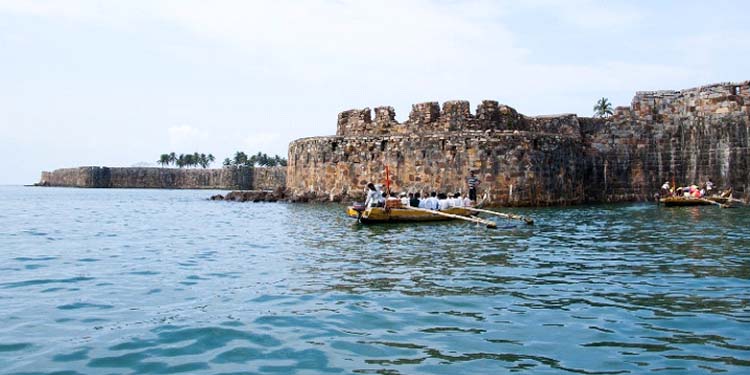
Maharashtra Land of rugged mountains and the calm sea is one of the largest states of India. With its capital being Bombay (now Mumbai), Maharashtra has become the economic and commercial hub of India. The long Arabian Sea coastline on the west and the great Sahyadri Mountains and valleys, form the natural beauty of the state. Maharashtra is a distinct cultural region with rich historical background. Forts that dominate the ranges tell the unending history of valour. The legendary places of worship of various faiths, add to its intrinsic beauty. Its artistic and cultural heritage is best manifested in numerous temples, mosques, churches and the ancient cave paintings of Ajanta and Ellora, which attract tourists from all over the world.
Aurangabad
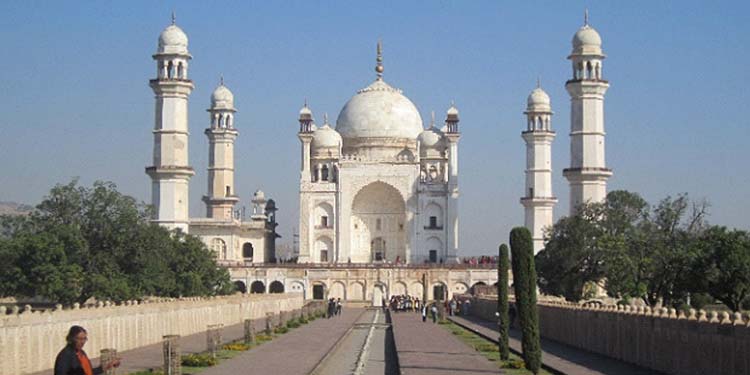
Aurangabad has always been an important city throughout the history of Maharashtra. The heritage of Aurangabad is linked with different rulers. Under royal dynasties such as the Satavahanas, Vakatakas, Chalukyas and Rashtrakutas, Aurangabad developed as a center of culture and learning. The city, originally called Khadke, or "Big Rock", was founded in the early 16th century by Malik Amber, a prime minister of the independent Muslim kingdom of the Nizam, based at Ahmadnagar, 112-km southwest to the city. Aurangabad has always been a prominent region on the Deccan plateau and has a long artistic and cultural history, to which several dynasties have made major contributions over the years. It was on the famous Silk route reaching Europe. Aurangabad has traces of settlements dating to the Stone Age and the remains of the cities of several dynasties. Textiles, embroidered finery and various kinds of beads made in nearby Paithan were exported to the markets of Greece, Rome and Egypt. The importance of Aurangabad is great, owing to its proximi ty with world heritage sites of Ajanta and Ellora.
Chiplun
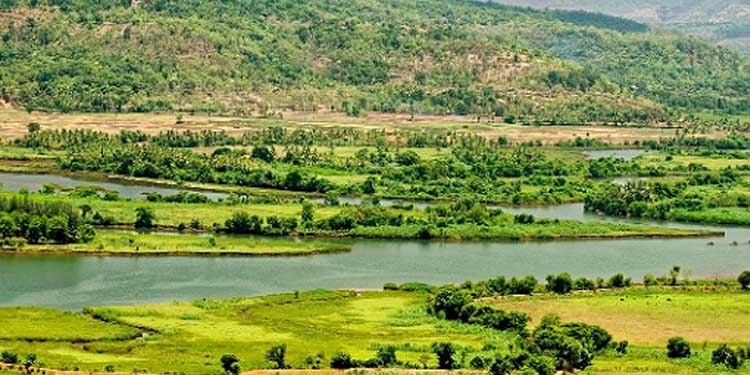
Chiplun is a small sleepy town in the district of Ratnagiri in the Konkan area. Situated on the banks of River Vashishthi, this town has the impeccable beauty of the virgin sea beach and is located at the distance of 250Kms from Mumbai the capital of the state. Chiplun is famous for its wonderful breed of Alphanso mangoes and Jackfruits. A seven hundred year old temple dedicated to Parshuram is one of the famous tourist places of Chiplun. The Guhagar beach is the beautiful virgin beach around 50 kms away from the main town and a huge favourite of the tourists. Other than the handicrafts items that are produce here, the best buys remain the local fruit Kokum, Mangoes in season and Cashew Nuts.
Ganpatipule
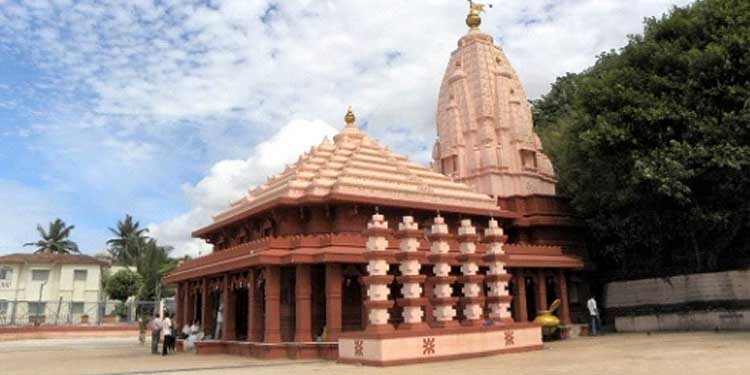
Located 375km from Mumbai, Ganpatipule is known for its swayambhu monolithic Ganpathi which attracts thousands of devotees from all over India. It is also one of the serene beaches of Maharashtra.
Igatpuri
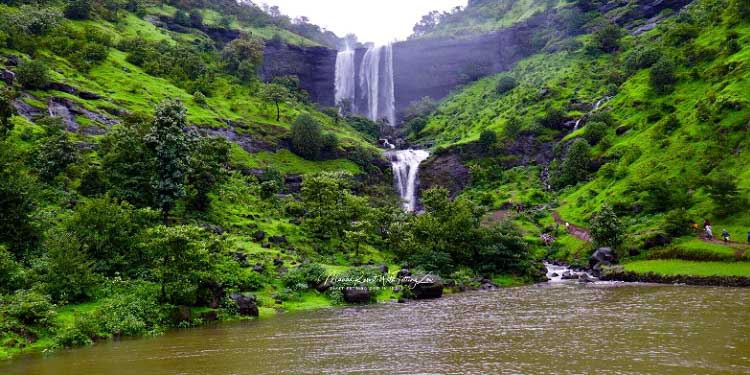
Hardly 135 kms from the commercial capital of Mumbai stands a quaint little town, almost can be termed as a village, called Igatpuri. Located in the middle of lofty green hills and cascading waterfalls, this picturesque town does not have anything much more than its natural beauty. The phrase of walking on clouds becomes a fact when the clouds just pass through you as if a dense fog. The crisp weather and the picturesque views make this place a favorite hunt of the young groups for a weekend getaway. Today Igatpuri has attained a spiritual dimension to it. It has a huge Vippaschana centre here. Vippaschana is a form of meditation where a person is not supposed to talk either. It is the most serious way of self-concentration and emancipation of your energies.
Kolhapur
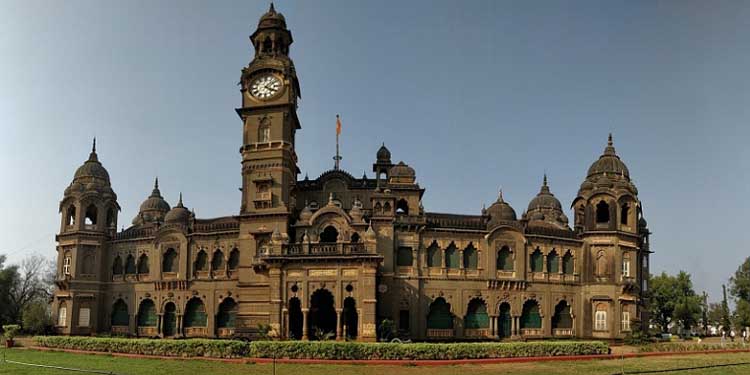
Kolhapur is the seat of Goddess Mahalakshmi and is one of the Shaktipeeth mentioned in Indian mythology. Its antiquity is revealed by the Brahmapuri knoll overlooking the Panchganga River and by the ancient artifacts and Roman coins discovered there. It was an early center of Buddhism. Kolhapur was ruled by Silaharas, Yadavas, Rashtrakutas and Chalukyas in the medieval times. The history of Kolhapur can be roughly divided into three periods: Hindu period upto 1300 AD, Muslim period from 1300 AD to 1700 AD and Maratha period from 1700 AD onwards and later became the seat of the British residency for the Deccan States. Archaeological excavations revealed the ruins of a prosperous ancient township and bringing into light the advanced Trade relations of this town with the European and Roman countries. It was the princely state of Kolhapur ruled by the heirs of Shivaji and finally merged in the Indian nation after its independence. The growth of Kolhapur in modern times is fascinating. And the whole credit goes to Chhatrapati Shahu Maharaj, the architect and founder of modern Kolhapur. Kolhapur is famous for its Kolhapuri Chappals and a type of necklace called Kolhapuri Saaz.
Lonavala
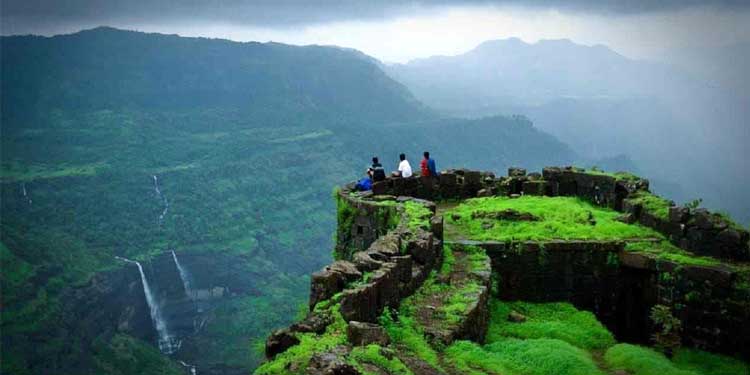
Lonavala perhaps the most favored hill station of the Mumbaikar’s, it is also famous for its ancient caves. Lonavala is always visited along with Khandala another hill station before climbing the valley to reach Lonavala. During Monsoon the place seems to have bloomed in various shades of green. With small and big waterfalls gushing through the hills and small streams passing through at every nook and corner are a pleasure to see. The places are a great relief for the people from the nearby hustle and fast life of Mumbai or Pune. There are many things worth visiting here. Apart from breathtaking views from every corner and from the great points like the monkey hills, the tiger leap point and the Amrutanjan point; there are huge ancient forts in the vicinity and deep lakes to create a serene ambience. The beautiful mountains, the deep valleys and the immense flora and fauna that has been the habitat of this place, are the prime attractions. It is the most famous week-end getaway for Mumbai and Pune folks.The ancientness of the place can be traced back to around 2nd century B.C. There are many a wonderful rock cut caves around these hill stations. They are Karle and Bhaje caves.
Mahabaleshwar
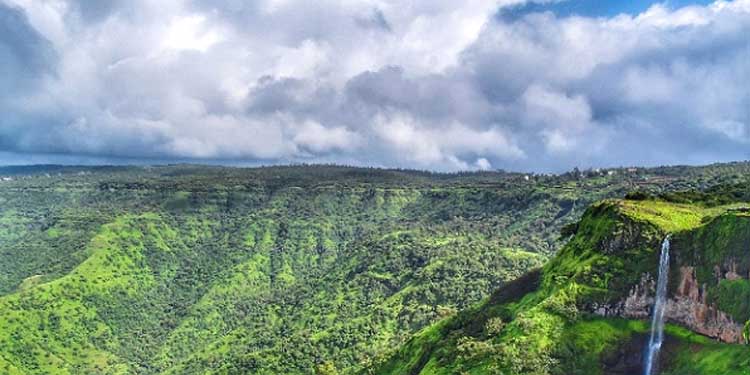
At an altitude of 1372 meters, nestled in the Sahyadri mountain ranges, is the queen of hill stations in the state of Maharashtra, Mahabaleshwar. The beautiful mountain plateau is surrounded by the greenery all through and is famous for its ancient temple dedicated to Lord Shiva and its great produce of Strawberries. Infact the name comes from the temple of Lord Shiva, known as the strongest or with the greatest of strengths and power, which is Mahabaleshwar. There is no authentic recorded account of the early history of Mahabaleshwar. It has, however, been ascertained that a Jadav king of Devagiri visited it in the 13th century and built a small temple at the source of river Krishna. In the mid-16th century the Maratha family of Chandarao More, became rulers of Jaoli and Mahabaleshwar, during which period the temple of Old Mahabaleshwar was rebuilt. It was also looked after the by the legendary King of the Marathas, Shivaji. But the place came into prominence only when the British came here in the beginning of the 19th century and made it there summer getaway from the humid heat of Mumbai.The deep gorges of Krishna and Koyna Rivers, the ever-gushing waterfalls and the stupendous views of the surroundings that include the magnificent ancient fort of Pratapgad are some of the major attractions of this hill station. The sister town, and hill station named after the five rivers those are seen here, the Panchgani hill station is also an attraction for the visitors. But what allures the visitor, are the strawberry fields, which are considered to be the best in the country. The red beautiful fruit is seen all over the hill station and the visitors are allowed to experience the plucking of this beautiful fruit. Mahabaleshwar has as many as 30 viewpoints, which offer a splendid view of different locations. It rains heavily in Mahabaleshwar and therefore other than during the monsoons the hill station is full of tourists, all through the year.
Matheran
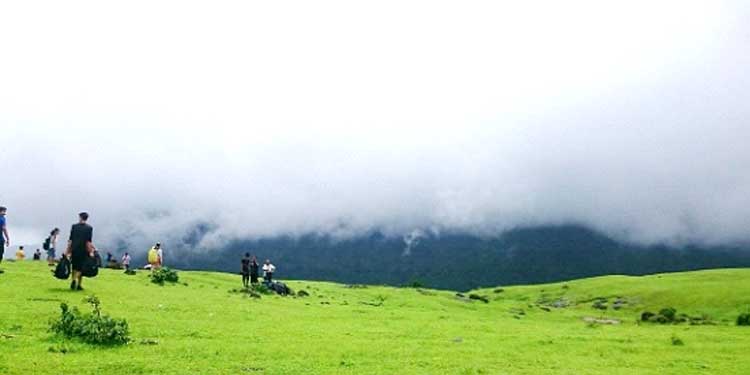
Situated at an altitude of 800Mtr this picturesque hill station is the nearest to Mumbai, lying 104 km away. It is an undulating hilltop cloaked in shady trees and ringed by walking tracks leading to lookouts that drop sheer to the plains. Matheran truely is Maharashtra's one of the most beautiful and well maintained hill station. The availability of road and railway has made it accessible to all people irrespective of their age. Also the ban on motor vehicles inside Matheran has helped to preserve its beauty and keep intact its natural touch. Due to ban on motor vehicles in Matheran the modes of transport in Martheran are limited to horses and rickshaws (pulled by humans), however seeing the various points in Matheran by walking is equally enjoyable.
Matheran is situated in the Matheran range of sahyadris at a height of 2516 feet.
Mumbai
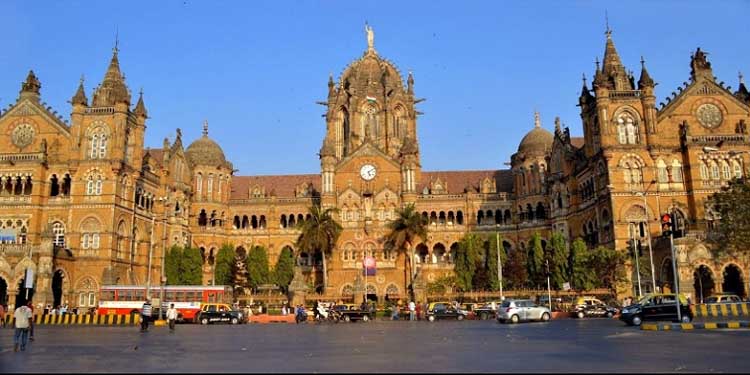
India's most dynamic and cosmopolitan city, with frenetic lifestyles and a multicultural society. Mumbai, a hardworking city that never sleeps, is the capital of Maharashtra. People from all over the country come here to fulfill their dreams thus making Mumbai a big melting pot of all the cultures, traditions and languages. This confluence of varied cultural currents and cross currents has given Mumbai a unique position of the most multi-ethnic city of India. This enigmatic city, which houses the richest families of the country, also has the largest slum area of Asia. Once, a sultry tropical archipelago cluster of seven islands is the commercial capital of the Indian sub - continent, today. Forty percent if the country's taxes come from this city alone and half of India's international trade passes through its natural harbors. The original inhabitants of the island were fishermen or the 'Koli' tribe, who worshiped a goddess, 'Mumba', and 'aai' in the local Marathi language means mother, hence the city derives its name, Mumbai. Mumbai was ruled by many rulers and eventually came under the Sultan of Gujarat in the 14th century. Bahadur Shah of Gujarat lost the island to the Portuguese in 1534 A.D. The Portuguese called it Bom Bahia, or the good bay and hence the name Bombay. The British recognized the importance of its port and started with its development, beginning with reclamation of land and merging the seven islands into one big island called Bombay. Bombay played a major role in the freedom movement and after India's independence became the economic center of the country. In 1960 Mumbai became the unopposed capital of the new state of Maharashtra. Mills and factories producing just about anything are present in Mumbai. Bollywood, India's answer to Hollywood is a booming industry producing maximum number of films than any other country in the world. Being one of the traditional centers of India, Mumbai offers an exciting range of hand woven and hand printed silks and cottons in traditional dresses, as well as in trendiest new fashions. Mumbai with its uniqueness has few distinctive features like the local trains, the Dabbawalas and its own typical fast food which originated here. Sky scrapers and slums, old and new, theatre or cinema, shoppers and foodies' delight, Mumbai entertains every one. The vibrant and bustling capital of Maharashtra is bubbling with social and cultural activities throughout the year. Truly a city that never sleeps, a city of dreams.
Nashik
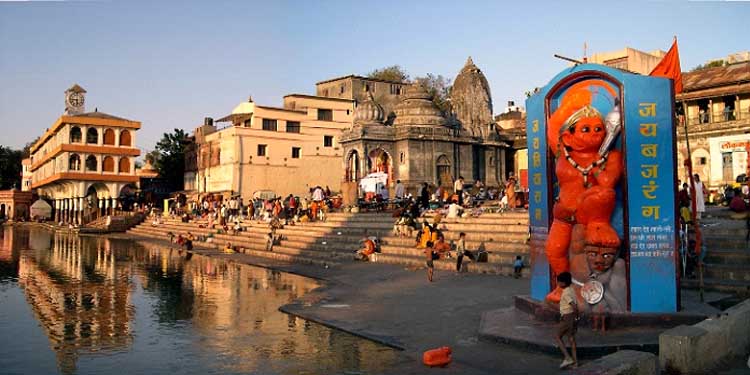
Nashik attracts thousands of pilgrims annually because of the sanctity of the Godavari River, which is called the Ganges of the south and also because of the legend that Ram, the hero of the Ramayana epic, had spent most of his banishment tenure here, with his wife Sita and his brother Lakshman. The Artillery school of Deolali, the MiG Aircraft Factory at Ozar and the internationally acclaimed grapes form Nashik have made the city popular. Temples and ghats on the banks of Godavari have made Nashik one of the holiest places for Hindus. All this territory was included in Ashok's mighty empire. From archaeological excavations it is found that the territory around Nashik was occupied in the early Stone Age. Its only real monuments are the rock-cut caves nearby Pandav Lena, these two-thousand-year-old cells dates back to the days when Nashik was the capital of the powerful Satavahana. Nashik played an important role in the freedom movement and after independence became the second largest district of Maharashtra.
Pune
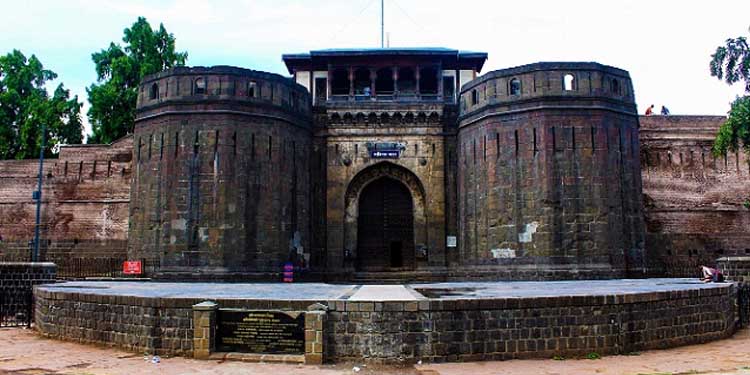
Pune or Punyanagari (the pious city), as it is called has had a glorious past of nearly 1000 years both illustrious and romantic. Although the historical association of the city started with the legendary hero of Maharashtra, Shivaji, Pune actually gained prominence only when it was handed over to the administrators of the Maratha kingdom, the Peshwas. In fact Pune has been known by a plethora of sobriquets, like: cultural capital of Maharashtra, pensioner's paradise and Oxford of the East. Pune exemplifies an indigenous Marathi culture and ethos, in which education, arts and crafts, and theatres are given due prominence. It is the birthplace of the poet-saint Tukaram, and Dnyaneshwar. It has been the home of great freedom fighters like Bal Gangadhar Tilak, Agarkar and Gopal Krishna Gokhale. Pune city has also played a pivotal role in the freedom movement of India. It was developed into a 19th century Indian army town by the British and even today the National Defence Academy based here. A tourist in Pune can enjoy many cultural, historical sites along with its pleasant weather and would never find the dearth of eating joints in the city.
Shirdi
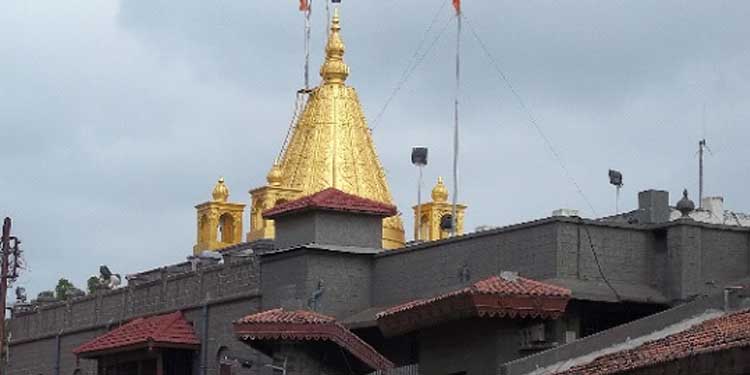
The abode of the great saint of the 20th century, Sai Baba, who lived in Shirdi for more than 50 years of his life, has made this small village in the Ahmednagar district of Maharashtra a big pilgrimage site for the devotees of the saint from all around the world. The story of Sai Baba entering this small village is unique enough, the way his miracles were. He came to Shirdi along with a marriage party and then stayed back. He was denied entry into a temple by a priest taking him to be a Muslim from his dress. So throughout his life the saint stayed in the Mosque of Shirdi but was a regular visitor of few of the temples in Shirdi. No one ever came to know what his religion was. He believed in God and asked people to keep faith in the almighty. He had miraculous curative powers and advised people of all the faiths, creed and caste to about brother hood, harmony, cleanliness and faith in the almighty. Even today the last few surviving elders of the village vividly recall the miraculous wonders of the sage. Sai Baba left for the heavenly abode in 1918 and his Samadhi is visited by thousands daily.
GOA
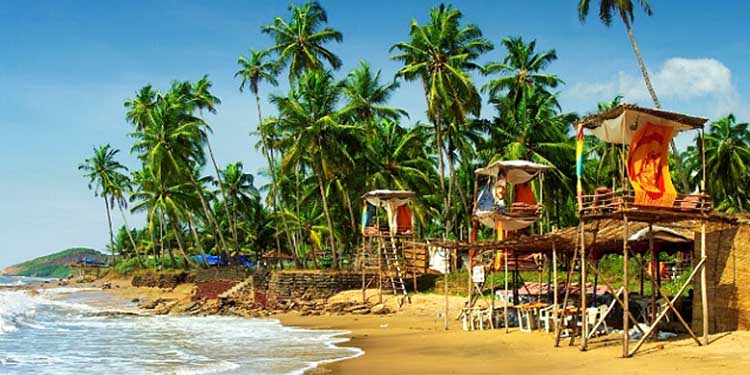
Goa is definitely the best tourist place for India. "The pearl of the east," Goa is known for its Gothic churches, crumbling forts, palm-fringed beaches, coconut groves, ferry rides, and bubbly folk music… the list is endless! With its 131-km-long coastline, Goa is an important locale in every tourist's itinerary. Sun, sand and sea being the major attractions, Goa trip is a perfect heaven for the ones who need and want relaxation. Goa Beach Resorts always add to the fun. Christian Pilgrimage tours to Goa are extremely popular. Besides pilgrimages Goa is famous for honeymoons also. Goa, honeymoon packages are extremely popular with Indians. Goa, honeymoon packages cater to the needs of the tourists with varying budgets. The all-inclusive Goa, honeymoon packages tour too makes interesting options.
Panaji
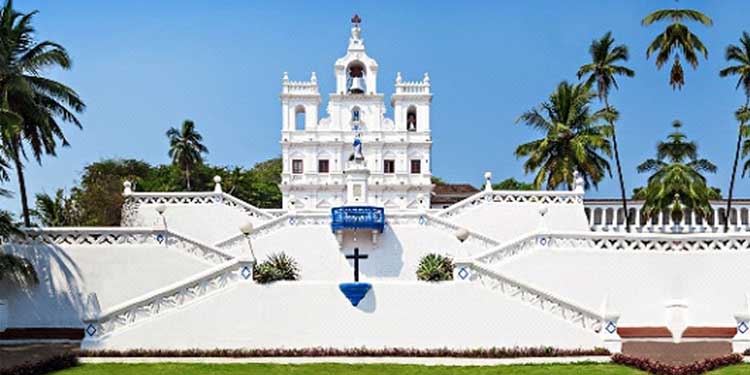
Panaji is the official capital of Goa. It was called Panjim during the times of the Portuguese and was one of the three principal Portuguese cities along with Velha Goa (Old Goa) and Margao. Though it began as a suburb of Velha Goa it ended up becoming the capital of Goa in 1843 when the Portuguese Old Goa. It is also one of India's smallest and most charming state capitals. Panaji has carefully managed to preserve its Portuguese heritage and parts of this quaint town still consist of narrow winding streets, old haouses with over hanging balconies and red-tiled roofs, and many small bars and cafes. Signs written in Portuguese still hang over shops, cafes and administrative buildings. The people of Panaji are friendly with an easygoing attitude.
Vasco-da-gama
The town of Vasco-da-Gama was originally called Sambhaji. This spick and span and geometrically planned well laid out coastal town popularly known as Vasco is also the oldest railway terminus for passenger service. Vasco is a key shipping center, with container vessels and iron ore barges clogging the river mouth, but doesn’t hold anything of interest for visitors. The only usual reasons for tourists to come to Vasco is to catch a bus to Dabolim airport, or the Bogmalo beach that lies 8-km southeast. Its city center is dominated by imposing multi-storied buildings and a church.Goa's only airport, Dabolim lies at one end of Vasco, and the internationally famous natural port of Mormugao is also close by. The Mormugao harbour is certainly one of the finest natural anchorages on the West Coast of India. Passenger and Cargo ships dock here from all over the world.
Margao
Margao is Goa's second largest city and commercial metropolis of Salcete taluka in South Goa. It still retains semblance of Goa’s Portuguese colonial past, and is connected to the rest of the Indian sub-continent by rail. Margao is the headquarters of South Goa District and is considered the main commercial city of Goa. It is famous for its ancient cultural heritage and traditional customs of the people of Goa.
Mapusa
Mapusa’s main claim to fame is its famous Friday market where people from all over Goa come to buy and sell their wares. It is otherwise a small town forming the hub of north Goa. It's location as the converging point of all overland routes in Bardez taluka as well as its proximity to the Rio de Mapusa, (the Mapusa River, which in ancient times was a much used waterway for transport of agricultural products and spices) has enabled it to develop a commercial reputation of sorts. Mapusa lies 13kms from Panaji, and has an even blend of residential and commercial establishments and gardens. The beaches nearest to this town are the Anjuna and Chapora beaches. The Kansarpal-Kalbadevi temple, believed to be about 800 years old lies 14 km from Mapusa. There's not much to see in Mapusa, though the Friday market is worth a visit.
Major Beaches of Goa
Agonda Beach
The Agonda beach is a small, picturesque and secluded beach 37 Kms from the town of Margao where nature lovers can find peace of mind. It is relatively deserted due to its distances from the main cities and is the next beach after Palolem when are driving towards Panaji.Agonda Beach is a three-kilometer long and lonely beautiful cove of white sand that is fringed with palms and casuarinas. It is dominated by a large hill to its south. There are very few facilities available here with few tourists, no souvenir stalls, and no restaurants. It is also not safe to swim out too far on this beach. The fort of Cabo de Rama is not too far from Agonda beach. It is as yet undiscovered by most visitors. The fort is named afterLord Rama, the central figure of the Hindu epic Ramayana. According to local legend, Rama stayed here with his wife Sita during the period of his 12-year exile. The atmosphere of the fort creates a sense of history and drama that takes you back in time.
Anjuna Beach
Anjuna is a small village in north Goa and is popularly called the freak capital in the world. Its significant tourist spots are the magnificent Albuquerque Mansion built in 1920 (flanked by octagonal towers and an attractive Mangalore tile-roof), the Mascarenhas Mansion, and the Chapora Fort. Anjuna is the least likely place to find peace and quiet. The Wednesday Flea Market of Anjana os famous for its bric-a-brac and the eclectic items that are on sale. Any and everything under the sky can be found here, and lines of vehicles full of tourists start virtually raising clouds of dust. Form used paperbacks to haircuts; everyone can shop to their hearts content here. The flea market is a heaven for shopping addicts and good bargainers, to bid on wonderful blends of Tibetan, Kashmiri and Gujarati trinkets and handicrafts, European snacks, cassettes of a noisy brand of music called 'Goa Trance', artificial ornaments carvings and T-shirts. Elephant rides, photographs with fake sadhus or fake snake charmers can also be found here. Anjuna is also known for the full-moon (acid house) parties that are held here for young tourists. Famous all over the world, they are a major source of tourist attraction around the world. Campfires burn bright all through the night and the music and merriment carries on till the wee hours of the morning. Facilities for bungee jumping are also available here due to the initiative of a private tour operator. Anjuna Beach has been the haunt of the flower generation in the sixties and is now popular with the younger generations. It became popular because of its Trance Parties and the Hippies who tried to fuse the Eastern spiritual traditions with Western music, ideas and art. There are plenty of guesthouses around the Anjuna village, and even a couple of hotels. If you are planning to stay for a long time, you should consider renting any one of the many houses that are on rent there.
Colva and Benaulim Beaches
Colva is the most popular beach among the Goans with its white powder sands on the shores of the Arabian Sea. Colva is Goa’s longest beach with 20 km of virgin white sands that are fringed with palms and drenched with the sun. The small village of Colva is located in south Goa, 39 km away from Panaji (the old name for Panjim) the capital of the state of Goa. Benaulim is 2 km further ahead of Colva. The Colva Beach is broad and beautiful, and has a stream coursing through it. Sadly, its beauty has made it popular and its popularity has cheapened it: its off-beach shops and restaurants, brightly lit and crowded, give it the feel of a funfair rather than a serene, unwinding beach. This is essentially our domestic tourists’ paddling beach.The Nossa Senhora de Merces (Our Lady of Mercy) Church in Colva is famous for its annual religious event-Fama of Menino Jesuse (Child Jesus)-since the 17th century. It is one of Goa’s most popular feasts when a big fair is held on the occasion. Bullfights can be seen at Benaulim from early October to late May. The bullfights are usually held in an old rice field with no fences or barricades just outside a village, to the beat of taped Konkani music. A walk on the beaches is full of delights. Shimmering silver carpets of bangdde (mackerels) lie drying on the golden sands. Fishermen’s motor trawlers lie anchored in a line offshore. Tourists in colorful dresses throng about and several of them can be seen sunbathing in the glorious sun. Trinket stalls and drink stands on the golden sands make a moonlit evening on the Colva Beach utterly romantic.The Beach Bonanza fair that is held on successive Sundays from mid-April onwards on the Benaulim beach is a must not miss! Frenzied visitors dance in merriment and other entertainment. There are plenty of resorts and low-budget hotels in and around Colva. Benaulim too has a few hotels. Besides it is possible to rent houses for a longer stay.
Calangute Beach
Under the shade of palm trees, bathes the Queen of Beaches—Calangute. Calangute seems to be a distortion of the local vernacular word—‘Koli-gutti’, which means land of fishermen. Some people connect it with Kalyangutti (village of art) or Konvallo-ghott (strong pit of the coconut tree) because the village is full of coconut trees. With the advent of the Portuguese, the word probably got distorted to Calangute, and has stuck till today. In a green semi-circle, the villages of Arpora-Nagoa, Saligao and Candolim do their bit to enhance the divine beauty of Calangute. There are picturesque agors (saltpans) at Agarvaddo, Maddavaddo is full of madd (coconut trees), Dongorpur skirts a bottle-green hillock and Tivaivaddo laces the beach. In Gauravaddo lived the gaudds or milkmen ran dairies.Calangute became a traveler’s cliché in the '60s and early'70s. It was the hippies who discovered the pristine surroundings and blissful serenity and golden sands. The hippies also spread the word around and brought hordes of European tourists. Decades later, tourists still trudge down the dusty, weather-beaten roads in search of that idyllic coastal Goa. On this lovely beach, Goans and tourists spend summers, bathing in the quiet solitude of the sea, sun and sand. Fun in the sun, sand and sea along with great opportunities for feasting on fresh seafood and feni is what a day on the Calangute beach essentially means. Frolicking families, eager hands making sand castles, colorful crowds surging towards the sea, hippies busy remembering the good old times and the young and old alike lazing on the golden sands are some of the images that characterize this Queen of Beaches. This picture of a perfect tourist haven is completed with shacks and stalls under the shade of palm trees selling everything from fried prawns and beer to trinkets made of seashells. The rainbow hued canvas of Calangute has welcomed everyone to it always though it became popular across the globe only after the hippies discovered it in the ‘60s.
Dona Paula Beach
The Dona Paula Beach is christened after Dona Paula de Menezes, daughter of a viceroy in colonial India, who threw herself off the cliff, when refused permission to marry a local fisherman, Gaspar Dias. Dona Paula Beach is also referred to as “Lovers’ Paradise.”
The Dona Paula Beach is thronged with tourist fascinated with the myth that Dona Paula is entombed in the Cabo Chapel of the Raj Bhawan and is seen emerging from the moonlit waves wearing only a pearl necklace. Several tourists as well as locals hang around, hoping for a glimpse of the love-lorn girl. Several movies, including Ek Duje Ke Liye have been shot here and contribute to its being a favorite spot. There are several places of tourist interest situated near the Dona Paula Beach. These include the Reis Mago, one of the oldest churches built in Goa, and the Salim Ali Bird Sanctuary. The church is dedicated to the three Magi (the wise men of the East)-Gaspar, Melchior, and Balthazar who, according to a legend, were guided by a star to Bethlehem to greet the newborn Jesus. This church was once the residence of all dignitaries and a mission center of the Franciscan order. The Salim Ali Bird Sanctuary is situated on the western tip of the island of Choro, along the Mandovi River, about 9 km from Dona Paula Beach. Spread over 2 sq km, this sanctuary is a mangrove forest. Local and migratory birds are found here all through the year. However, permission of the Chief Wildlife Warden is required for visitors. Two other beaches are also within the proximity of the Dona Paula Beach are the Miramir Beach, which lies 4 km north of Dona Paula, and the Vainguinim Beach, which is situated 1 km west.The festivals of Janmashtami and the Feast of St. Lawrence are celebrated with enthusiasm on the Dona Paula Beach. In addition, the beach also has a colorful water sports festival in November. The highlights of this festival are the water scooter and cycle races and surfing competitions.There are several shops along the beachside, which sell variety of goods ranging from eatables to clothes. Fishermen-turned-local vendors also sell straw hats, lace handkerchiefs, and spices in these shops. Feni and port wine-the two Goan liquor specialties-are a must buy and local liquor is easily available. Indian handicrafts and jewellery are available at the Indian Arts Emporium in Dona Paula. There are a host of hotels, guesthouses, and beachside huts available at the beach that caters to the budgets of different tourists.
Miramar Beach
Miramar, a lovely golden beach of soft sand is surrounded by palm trees and is almost an extention of Panaji, since it lies on the outskirts fo the capital town. It is one of the most popular beaches in Goa and tourists are well warned that it can get crowded here, with people from the town strolling over in his evenings. It was earlier known as the Gaspar Dias beach, and is the best location to watch a sunset if you are staying in Panaji. Panaji is just a fifteen-minute walk along the riverfront avenue called Dayanand Bandodker Marg. Miramar is an urban beach where the Mandovi River meets the Arabian Sea. It is not safe beach to swim here since there is a strong undercurrent here.
Candolim Goa
Amongst the most popular beaches in Goa is the Candolim Goa. The Candolim beach in Goa is located quiet close to the Aguada beach. Most of the tourists in Goa prefer going to the Candolim beach owing to its serene and tranquil environment. Candolim beach in Goa offers some of the best seafood in Goa. The long and straight Candolim beach is also dotted with dunes that offer little shelter. For all those seeking a quiet and relaxing holiday in Goa heading towards the Candolim beach makes an excellent idea. Offering comfortable accommodation at the Candolim Goa are the many hotels and beach resorts.
Varca Beach
The soft white sands, the black lava rocks, beaches south of Benaulim. These beaches are much cleaner and quieter than most of the famous beaches of Goa. There are numerous beach shacks offering a variety of Goan dishes and seafood at reasonable prices. There are several food joints around Dona Sylvia where you can get entire package of good food, good drink, nice service, and a pleasant service in quite reasonable rates. There are facilities for Dolphin watching at Betty’s Place as well as boat trips for Dolphin watching up river Sal.